Black church leaders expand street-level support in Minneapolis, urging limits on masked federal immigration operations
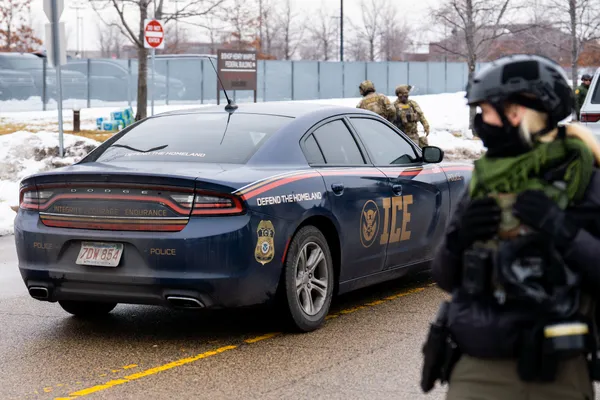
Faith leaders organize aid amid scrutiny of federal enforcement tactics
Black church leaders in the Twin Cities have intensified community support efforts in Minneapolis in response to heightened federal immigration enforcement activity and renewed debate over whether federal agents should be allowed to cover their faces during operations.
Clergy from historically Black denominations and longtime Minneapolis congregations have described a multi-pronged approach that includes direct assistance to families fearful of leaving home, visible presence in neighborhoods during periods of heightened tension, and outreach to immigrant-owned businesses reporting steep disruptions tied to enforcement actions. Some leaders have also been involved in discussions at the Minnesota Capitol and in broader national faith networks focused on federal enforcement standards.
Calls for identification rules after a fatal Minneapolis shooting
The push to limit masks has gained urgency following the Jan. 7, 2026 fatal shooting of Renée Good, a 37-year-old U.S. citizen, during an encounter involving an Immigration and Customs Enforcement officer in Minneapolis. Public accounts and video have fueled competing narratives about whether the officer faced an immediate threat as Good drove away. The episode has become a focal point for questions about use of force, operational transparency, and accountability in federal immigration policing.
In Minnesota, state leaders have already taken steps to elevate the mask issue at the federal level. In July 2025, Minnesota’s attorney general joined other state attorneys general in urging Congress to require federal immigration agents to display identification and agency insignia and to generally prohibit face coverings that conceal identity, with limited exceptions.
Community support and de-escalation role described by pastors
Local pastors have said their work is not limited to public statements. Leaders described delivering food and supplies to households reluctant to travel, encouraging community calm, and positioning church volunteers in public spaces during demonstrations to discourage confrontation. Some clergy have also said they are holding difficult, direct conversations within immigrant communities about safety, legal status, and risk during active enforcement periods.
At the same time, the mask debate has been framed by its practical effects: advocates argue that anonymous, masked, or plainclothes enforcement increases confusion for bystanders and can heighten the risk of dangerous misunderstandings, including the possibility of impersonation by criminals. Federal agencies have historically argued that protective gear and identity-protecting measures can be necessary in certain situations, including to reduce threats to officers and their families.
Legal and political landscape remains unsettled
The broader enforcement surge has triggered court scrutiny and political escalation. A federal judge issued a preliminary injunction in mid-January 2026 imposing restrictions on federal agents’ conduct toward peaceful protesters during the Minnesota operation, including limits on retaliatory crowd-control measures and certain detentions. Separately, the Justice Department has moved to increase prosecutorial capacity in Minnesota amid protests and related investigations.
Key proposals now circulating
- Federal legislation limiting face coverings for immigration agents while requiring visible identification and agency insignia.
- Clear exceptions for limited circumstances such as medical-grade protective masks, undercover work, or narrowly defined operational needs.
- Written operational standards intended to reduce confusion during stops, searches, and arrests in public spaces.
As Minneapolis grapples with the aftereffects of the Jan. 7 shooting and ongoing federal activity, church-led networks are emerging as both service providers and organized participants in the policy debate over anonymity in law enforcement operations.