Border Patrol commander Gregory Bovino to retire in late March after Minneapolis reassignment amid ICE backlash
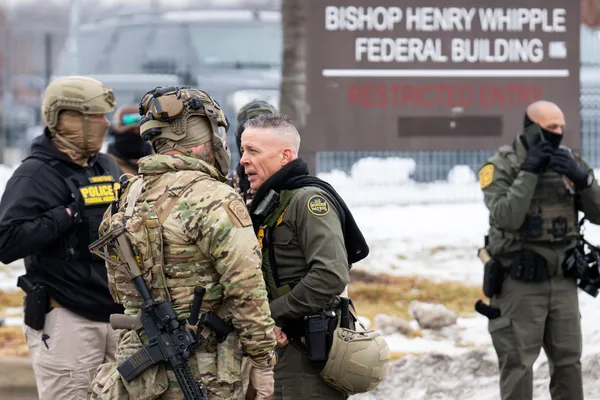
Retirement follows a turbulent Minnesota deployment and a disputed reassignment timeline
Gregory Bovino, a senior U.S. Border Patrol official who played a central operational role during the federal immigration enforcement surge in Minneapolis, is expected to retire at the end of March 2026 after nearly three decades in the agency. The planned departure comes weeks after Bovino was removed from his high-profile, roving leadership post and reassigned away from Minnesota amid widespread backlash over enforcement tactics and two fatal shootings involving federal immigration officers.
Bovino had been serving as Border Patrol “commander-at-large,” a title used for a leadership role that placed him in a national operational position beyond a single border sector. During the Minneapolis deployment, he became the most visible on-the-ground face of the administration’s stepped-up immigration actions in the Twin Cities, where federal operations prompted sustained protests and escalating political pressure on Washington to change course.
Two killings became focal points of scrutiny
Public anger intensified after two U.S. citizens were killed in separate encounters involving federal immigration officers in Minneapolis in January.
- Renée Nicole Good, 37, was fatally shot on January 7, 2026, by an Immigration and Customs Enforcement officer while she was in her vehicle. Federal authorities said the incident was under investigation, and public questions mounted over whether the use of force was justified.
- Alex Jeffrey Pretti, 37, was killed on January 24, 2026, after being shot multiple times by U.S. Customs and Border Protection officers. The Justice Department later opened a federal civil rights investigation into Pretti’s killing.
As protests spread and local officials demanded accountability and transparency, federal officials announced policy and operational adjustments, including a move to expand body camera use for immigration agents operating in Minneapolis.
Leadership changes and drawdown of the Minneapolis operation
By late January, Bovino’s status became the subject of conflicting public messaging. Reports indicated he was removed from his commander-at-large duties and directed to return to his prior leadership post in California’s El Centro Sector. Federal officials publicly disputed elements of those accounts at the time, stating he had not been relieved of duties even as other reporting described a significant change in responsibilities.
In February, the White House sent its top immigration adviser, Tom Homan, to Minnesota for meetings with state and city leaders, including Gov. Tim Walz, Minneapolis Mayor Jacob Frey and Attorney General Keith Ellison. Soon afterward, federal officials announced a drawdown of personnel tied to the Minneapolis operation and said the surge would wind down.
The administration’s shift in Minnesota combined personnel changes with operational retrenchment after weeks of public backlash, intergovernmental friction and heightened legal scrutiny.
Bovino’s retirement is set against that backdrop, closing a chapter that left unresolved investigations, ongoing political dispute over immigration enforcement strategy, and continuing demands for clearer rules governing federal operations in U.S. cities.