Bruce Springsteen’s ‘Streets of Minneapolis’ and a First Avenue benefit frame art as resistance locally
A rapid-response protest release tied to Minneapolis events
Bruce Springsteen released a new song, “Streets of Minneapolis,” on Jan. 28, 2026, presenting it as a direct response to a tense period in Minneapolis marked by federal immigration enforcement actions and two fatal shootings involving federal immigration agents. In public statements accompanying the release, Springsteen dedicated the track to the people of Minneapolis, the city’s immigrant community, and to the memory of two individuals identified as Alex Pretti and Renée Good.
The song’s lyrics use explicit political language, depicting Minneapolis as a city under siege and directly criticizing senior federal officials. The refrain includes the chant “ICE out now,” language that has also appeared at related public gatherings in the city.
First Avenue benefit concert: structure, restrictions, and purpose
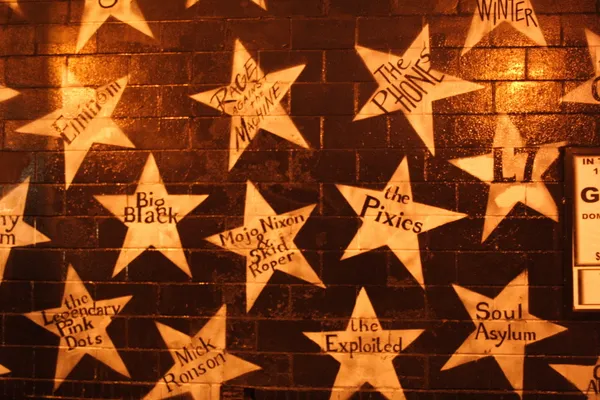
Two days after the release, Minneapolis’ First Avenue venue hosted an all-ages daytime benefit billed as “A Concert of Solidarity & Resistance To Defend Minnesota!” on Jan. 30. The event was promoted with strict purchasing and entry rules—non-transferable tickets, a four-ticket limit, and disabled resale—measures intended to preserve access and reduce scalping for a high-demand, time-sensitive show.
The venue’s event materials stated that 100% of proceeds were designated for the families of Good and Pretti. The bill included Tom Morello and Rise Against, with additional billed performers, and the concert was framed publicly as a solidarity event linked to the broader civic response to the shootings and immigration enforcement activity.
Springsteen’s surprise appearance and first live performance
Springsteen made an unadvertised appearance at the First Avenue benefit and performed “Streets of Minneapolis” live for the first time. Accounts of the performance describe the crowd chanting along with “ICE out now” during the closing passage of the song.
He also performed “The Ghost of Tom Joad” alongside Morello, connecting the set list to Springsteen’s earlier work centered on economic displacement and social conflict. The pairing reinforced how protest performance can function simultaneously as memorial, fundraising mechanism, and public messaging.
Institutional response and what “resistance” looks like in practice
The White House responded publicly to the song’s criticisms, disputing its framing and emphasizing federal priorities around immigration enforcement. That rebuttal underscored a central reality of protest art: it does not operate in a vacuum, and high-profile releases can trigger immediate political counter-messaging.
In Minneapolis, the late-January sequence—song release, benefit concert, and public demonstration—illustrated how art, venue programming, and rapid fundraising can converge into an organized form of civic resistance.
Date anchors: song release (Jan. 28, 2026) and First Avenue benefit (Jan. 30, 2026).
Stated purpose of proceeds: support for the families of Renée Good and Alex Pretti.
Documented public-facing elements: surprise guest performance, chant-driven refrain, and official political response.
While the underlying investigations and accountability processes around the shootings extend beyond the music itself, the Minneapolis events show how cultural production can move quickly from recording to street-level performance, becoming a tool for mobilization, commemoration, and material support.