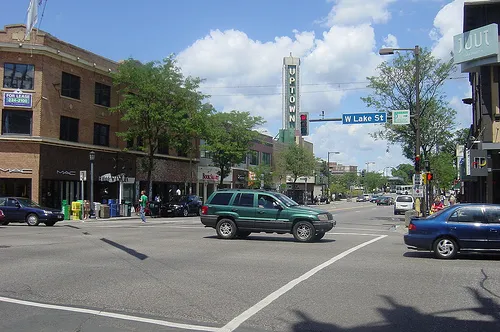
Catholic leaders urge healing at Twin Cities migrant solidarity Mass amid intensified federal immigration enforcement
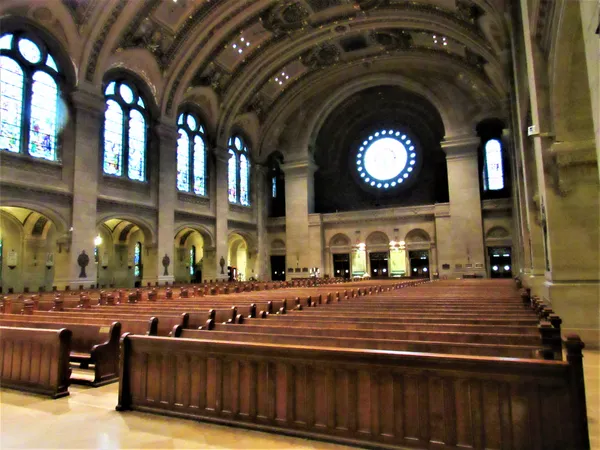
Mass in St. Paul drew senior Catholic leaders as immigration tensions escalated across the Twin Cities
Senior Catholic leaders gathered Friday, Feb. 27, 2026, at the University of St. Thomas in St. Paul for a Votive Mass of Solidarity with Migrants, framing the moment as a call for reconciliation after weeks of heightened immigration enforcement and public unrest in the Minneapolis–St. Paul area.
Archbishop Bernard A. Hebda of the Archdiocese of St. Paul and Minneapolis celebrated the Mass alongside Cardinal Christophe Pierre, the Vatican’s ambassador to the United States, as well as Cardinals Robert W. McElroy and Joseph W. Tobin. The Mass coincided with the final day of a multi-day gathering of bishops focused on communication and evangelization in the digital age. Other attendees included additional bishops, archdiocesan seminarians and Catholic school leaders.
Operation Metro Surge and a widening civic rupture
The service followed weeks of local controversy tied to Operation Metro Surge, a federal immigration enforcement effort focused on the Twin Cities that began in December. Officials described the operation as drawing thousands of personnel at its peak and resulting in more than 4,000 arrests of people described as being in the country unlawfully.
The enforcement effort unfolded amid sustained protests and allegations of poor treatment of detainees. Local tensions intensified after the deaths of two U.S. citizens during separate encounters connected to protests and federal agents’ activity in Minneapolis in January 2026, incidents that became flashpoints for competing narratives about public safety, federal authority and community trust.
The Jan. 7, 2026, fatal shooting of Renée Nicole Good, a Minneapolis resident and U.S. citizen, involved a federal immigration officer during an enforcement operation.
The Jan. 24, 2026, killing of Alex Pretti, also a U.S. citizen, occurred during another confrontation involving federal border personnel in Minneapolis.
A homily centered on anger, forgiveness and public responsibility
In his homily, Hebda described recent weeks as marked by anger and fear, including reports of community members feeling intimidated and reluctant to attend Mass, go to work, seek medical care or take children to school. He urged a turn toward reconciliation and forgiveness, presenting unity and peace as religious obligations rather than optional civic virtues.
Hebda told worshippers the challenge was to move beyond anger by ordering one’s own heart and actions, emphasizing reconciliation as a central Christian duty.
He also urged careful speech and respect in families, workplaces, politics, media and social media, arguing that a change in tone is part of rebuilding community cohesion.
After Mass, leaders described a need for humane solutions and reduced polarization
At remarks following the service, McElroy said the area’s recent experience required healing across the community, naming immigrant families, those assisting them, law enforcement and federal immigration personnel among groups affected by the turmoil. Pierre described public engagement by the Church as inseparable from concern for the people living through the consequences of policy and enforcement decisions. Tobin, addressing questions about political involvement, emphasized religious loyalty and moral obligation.
Taken together, the day’s message focused on two parallel claims: that enforcement practices in the Twin Cities have produced fear and rupture, and that repair will require sustained, disciplined efforts toward dialogue, humane policy outcomes, and nonviolent public life.
Morning Mist Gives Way to a Record-Chasing March Thaw
Minneapolis man gets 57 months for attempted juror bribery tied to Feeding Our Future trial
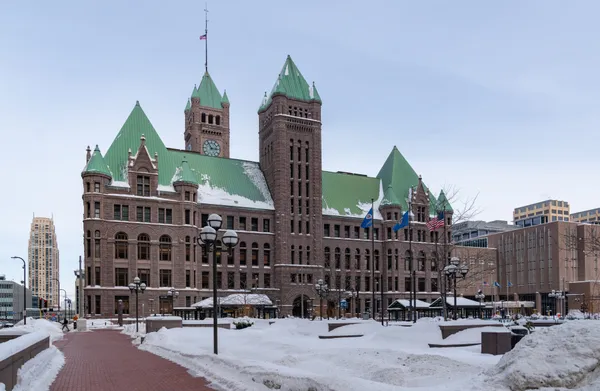
Minneapolis council members challenge MPD response to ICE actions as federal enforcement surge strains city limits