Chad Wolf blames Minneapolis unrest on local leadership as protests continue after two fatal encounters
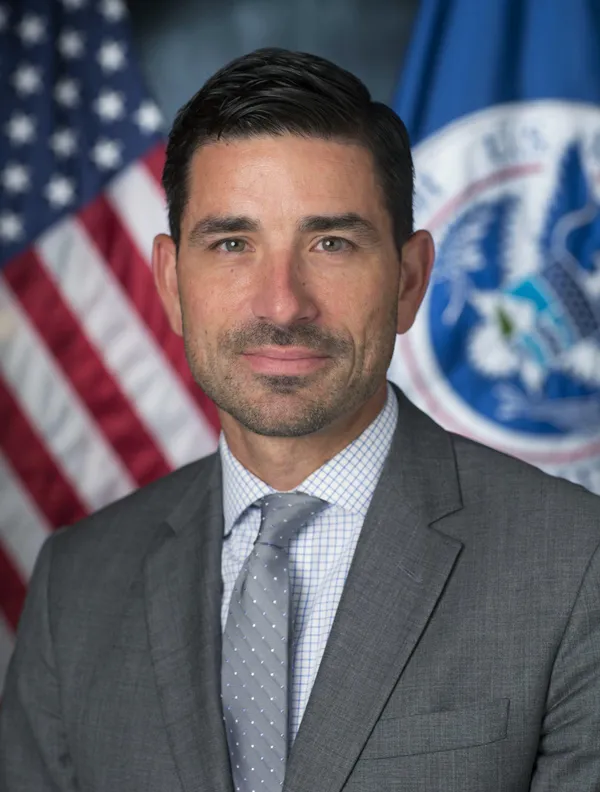
Former DHS acting secretary ties Minneapolis tensions to policing, cooperation with federal agents, and protests
Former acting Department of Homeland Security Secretary Chad Wolf has framed Minneapolis’ recent anti-ICE unrest as a public-order problem driven by local leadership decisions, as protests continue weeks after two fatal encounters involving federal immigration personnel in the city.
The current wave of demonstrations accelerated after Renée Nicole Good, 37, was fatally shot on Jan. 7, 2026, during an ICE operation in south Minneapolis. The shooting was captured on video and has remained a focal point of public dispute, including competing interpretations of whether the use of deadly force was justified. A second fatal incident involving Minneapolis resident Alex Pretti days later further intensified public anger and broadened calls for federal authorities to reduce their presence.
Wolf, who served as acting DHS secretary during President Donald Trump’s first term, has argued in recent television interviews that the central issue is whether city and state officials will actively deter violence and cooperate with federal law enforcement. He has criticized local tactics described as checkpoints and has called for a stronger posture by local leaders to prevent confrontations around federal activity. Wolf has also defended federal personnel, saying ICE officers and Border Patrol units receive training that includes crowd-control capabilities.
Arrests and clashes outside federal property
On Feb. 7, 2026, Minneapolis police and other agencies arrested several dozen people during a demonstration outside the Bishop Henry Whipple Federal Building. Authorities declared the gathering unlawful after objects were thrown at law enforcement, including ice and bottles. The arrests occurred the same day as separate memorial events that drew community members to honor those killed and to express opposition to the ongoing enforcement operation.
Federal officials have announced a reduction of 700 personnel assigned to Minnesota as part of the broader deployment, while indicating that a significant federal presence will remain. Public safety officials in Minneapolis have warned that the scale of federal operations has increased demand for local policing resources, creating staffing strain and forcing the city to prioritize which calls can be handled by local officers.
Political flashpoints and competing narratives
Minneapolis Mayor Jacob Frey and Gov. Tim Walz have publicly demanded a reduced federal presence and have criticized the enforcement approach as destabilizing. The Trump administration, supported by national allies, has argued that the operation targets crime and fraud and has pressed local governments to cooperate more directly with immigration enforcement.
The public debate has also been punctuated by high-profile incidents beyond street demonstrations. In early February, a far-right influencer and U.S. Senate candidate was arrested at the Minnesota Capitol after allegedly damaging an anti-ICE art installation, adding another layer of political tension to an already volatile environment.
- Jan. 7, 2026: Renée Nicole Good fatally shot during an ICE operation in south Minneapolis.
- Late January to early February 2026: Protests expand, including large rallies and repeated clashes near federal sites.
- Feb. 7, 2026: Dozens arrested outside the Bishop Henry Whipple Federal Building during the one-month anniversary protest.
Minneapolis officials and federal leaders continue to dispute how to balance immigration enforcement, accountability, and public safety amid ongoing demonstrations.
Investigations and legal proceedings connected to the shootings and the broader operation remain active, while city, state, and federal leaders continue to offer sharply different explanations for the unrest and how it should be contained.