DHS alleges ICE agents rammed by vehicles during Minneapolis enforcement surge as investigations and lawsuits expand
Federal claims of vehicle attacks collide with widening legal and political fallout in the Twin Cities
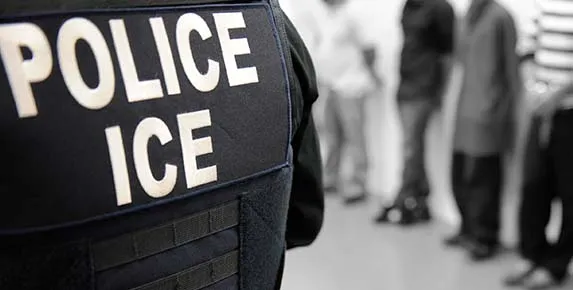
Federal officials say immigration agents have faced repeated vehicle-related attacks during an intensified enforcement effort in Minneapolis and the broader Twin Cities, describing some encounters as deliberate attempts to injure officers. The Department of Homeland Security (DHS) has framed the incidents as part of a broader rise in assaults, threats and confrontations tied to major immigration operations.
The claims come amid a volatile period in Minnesota that includes a fatal shooting by an immigration agent, a fast-moving court fight over the scope of federal operations, and a separate federal investigation into whether state and local officials unlawfully interfered with immigration enforcement.
What DHS has said about vehicle incidents
DHS has asserted that agents have been rammed by vehicles during enforcement activity in Minneapolis, and has described officers as being “aggressively assaulted” in confrontations involving cars. In public statements this month, DHS also pointed to a wider national spike in reported assaults on immigration officers and increased threats, arguing the operating environment has grown more dangerous as crowd interference and rapid-response protest tactics spread around enforcement sites.
Federal accounts of specific episodes have been contested in Minnesota, where video, witness statements and subsequent legal filings have become central to competing narratives about what occurred on the street.
Shooting of Renée Good remains a flashpoint
Tensions escalated sharply on Jan. 7, 2026, when an immigration agent shot and killed Renée Good, 37, during a confrontation in south Minneapolis. Federal officials characterized the encounter as an attempted vehicle attack on officers and said the agent fired in self-defense. Local officials disputed that description, and the shooting triggered protests and increased scrutiny of enforcement tactics.
The FBI and Minnesota law-enforcement authorities have been involved in investigating the shooting, and public debate has centered on what video shows about the movements of the vehicle and the agent’s position during the shooting.
Minnesota, Minneapolis and St. Paul seek to halt the operation
On Jan. 12, 2026, Minnesota’s attorney general, joined by the cities of Minneapolis and St. Paul, filed a federal lawsuit seeking to stop or sharply limit the immigration enforcement surge that began in December 2025. The lawsuit alleges unlawful conduct by federal agents, including excessive force and arrests of bystanders, and claims enforcement actions occurred at sensitive locations such as schools, hospitals and places of worship.
- The plaintiffs also argue the surge has strained local public safety resources.
- The filing cites reported lockdowns and disruptions to daily life in the Twin Cities.
- The lawsuit seeks court orders to end or constrain the deployment and related enforcement practices.
Federal subpoenas add a second front
Separately, federal investigators have issued grand jury subpoenas to high-profile Minnesota officials in an inquiry focused on whether state and local leaders impeded immigration enforcement operations. That investigation has intensified already sharp disputes between federal authorities and Twin Cities leaders over policing, public safety and the boundaries of local cooperation.
Multiple investigations and lawsuits are now running in parallel, with central factual questions—especially around vehicle-related confrontations—likely to be tested through video evidence, sworn testimony and court review.