DHS spokeswoman Tricia McLaughlin resigns after controversy over “domestic terrorist” claims in Minneapolis killings
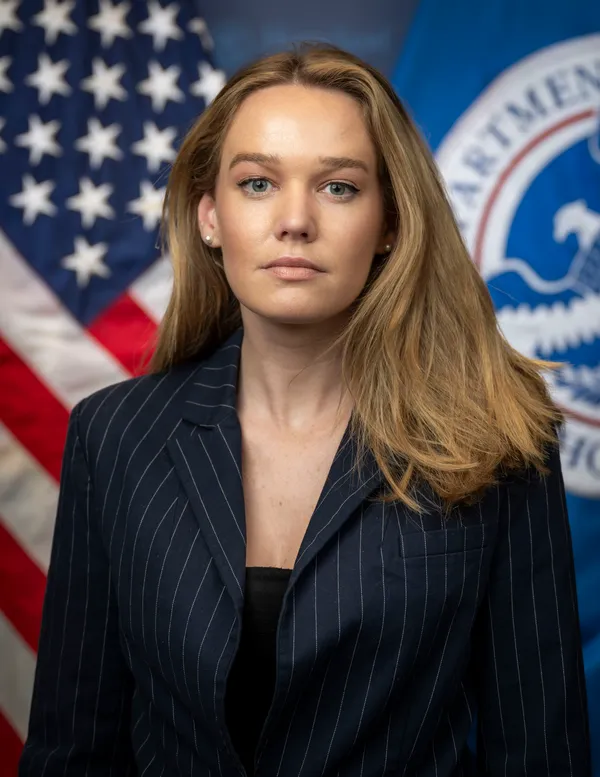
Resignation follows weeks of scrutiny tied to federal immigration operations in the Twin Cities
Tricia McLaughlin, the Department of Homeland Security’s top spokesperson and a key public defender of Secretary Kristi Noem, is leaving her post next week, U.S. officials and major national outlets reported Tuesday. Her departure comes after sustained backlash over the department’s public messaging in connection with two high-profile killings of U.S. citizens in Minneapolis involving federal immigration officers.
McLaughlin had remained in her role beyond an earlier planned departure timeline as the agency faced escalating questions about the shootings of Renée Nicole Macklin Good, 37, and Alex Pretti, 37, and about the accuracy and timing of official statements made in their aftermath.
Minneapolis incidents became national flashpoints
Good was fatally shot on January 7, 2026, during an encounter involving an Immigration and Customs Enforcement officer. Within hours, senior administration figures publicly characterized the episode as an “act of domestic terrorism,” a framing that drew immediate pushback from Minnesota officials and legal experts who argued that terrorism is a legal term that generally requires evidence and formal investigative findings.
On January 8, the Minnesota Bureau of Criminal Apprehension withdrew from its role in the investigation into Good’s death, saying federal authorities would not provide access to materials needed to conduct an independent state-level review, including scene evidence and interviews.
Pretti, an ICU nurse and U.S. citizen, was killed on January 24 during a separate confrontation involving Customs and Border Protection personnel in Minneapolis. His death was later ruled a homicide by the local medical examiner. His family and legal representatives have disputed claims that he posed an imminent threat, pointing to publicly circulated bystander video and calling for full transparency about the sequence of events.
Disputed rhetoric and public trust in investigations
The administration’s use of “domestic terrorist” language—applied to people killed during encounters tied to immigration enforcement—became a central point of contention. Critics said the label was deployed before the completion of investigations, while federal officials maintained it was warranted based on their account of threats to officers.
In multiple Minneapolis-related cases, state leaders said they were unable to independently verify key facts because of limited access to federal evidence and interviews.
By mid-February, Minnesota authorities again raised concerns about information-sharing in the federal investigation related to Pretti’s death, arguing that withheld evidence undermined public confidence and complicated oversight.
What changes next at DHS
- McLaughlin is expected to be replaced by her deputy, Lauren Bis, as DHS reorganizes its public affairs leadership.
- The transition comes amid continued scrutiny of federal immigration enforcement tactics and the handling of public communications surrounding use-of-force incidents.
- Separate political pressure on Noem has intensified in recent weeks, with calls from some lawmakers for formal inquiries into the department’s conduct and messaging.
McLaughlin has said she plans to remain active in politics and public advocacy, though DHS has not announced whether her departure will alter the department’s approach to communicating about ongoing investigations in Minnesota.