European governments warn travelers about Minneapolis protests as federal immigration operation scales down but continues
Travel guidance shifts as Minneapolis faces heightened scrutiny
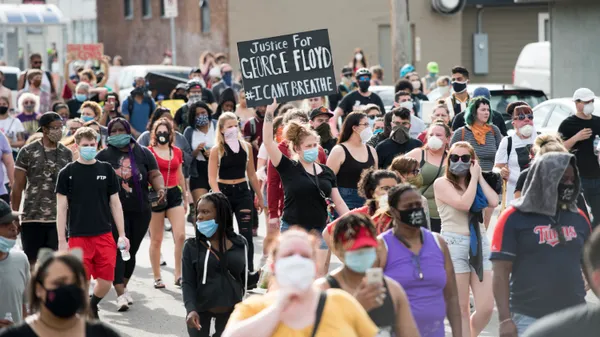
Several European governments have updated travel guidance for citizens visiting the United States with specific references to Minneapolis, citing recent demonstrations and clashes tied to an expanded federal immigration enforcement effort in Minnesota. The advisories, which vary in language and severity, have generally urged travelers to stay informed, avoid large gatherings, and follow directions from local authorities when protests occur.
The updates come amid weeks of protests in the Twin Cities area linked to “Operation Metro Surge,” a federal deployment of Immigration and Customs Enforcement and other Department of Homeland Security personnel that began in early December 2025. The operation has drawn national attention after two U.S. citizens—Renée Good and ICU nurse Alex Pretti—were fatally shot in separate incidents involving federal immigration officers in January 2026, events that prompted additional demonstrations and intensified political and legal disputes.
What the European advisories emphasize
Recent European travel updates have focused on public-order risks rather than broad warnings about Minnesota overall. Guidance has commonly highlighted that demonstrations can develop rapidly and may become violent, especially around government buildings, downtown areas, and transportation corridors. Some advisories also remind travelers that identity checks can occur and recommend carrying appropriate documentation while moving around the country.
- Safety steps frequently mentioned include avoiding protest areas, monitoring local news, and leaving if crowds form.
- Some guidance notes that rules and enforcement practices can differ by jurisdiction, including expectations around carrying identification.
Federal drawdown announced, with thousands still deployed
On February 4, 2026, the Trump administration announced an immediate reduction in the federal immigration law enforcement footprint in Minnesota, with border policy lead Tom Homan stating that 700 ICE and Customs and Border Protection officers would leave the Minneapolis area. Local officials in Minneapolis said the reduction does not resolve concerns, noting that a large contingent of federal officers would remain in the Twin Cities and statewide.
City leaders described the drawdown and the planned expansion of body-worn cameras for ICE enforcement actions as incremental steps, while continuing to call for the operation to end.
Legal challenge and court ruling
Minnesota Attorney General Keith Ellison, joined by the cities of Minneapolis and Saint Paul, filed a federal lawsuit in January seeking to halt the operation and arguing the surge is unlawful and unconstitutional. A federal judge later denied a request for immediate relief aimed at ending the deployment, leaving the operation in place while litigation continues.
For travelers, the immediate implication is that Minneapolis may remain a focal point for demonstrations and security activity in the coming weeks, even as federal staffing levels shift. European governments’ updates signal that the city’s protest environment has become a factor in official travel planning for some visitors.