Experts detail how repeated exposure to Minneapolis shooting videos can trigger stress, anxiety and vicarious trauma
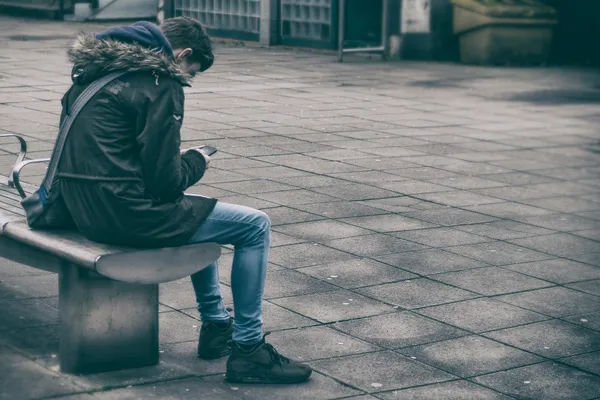
Videos from recent Minneapolis shootings are prompting renewed focus on psychological spillover effects
As graphic recordings from recent shootings in Minneapolis circulate widely online, mental health professionals say repeated exposure to violent imagery can cause measurable distress even among people who were not physically present. The phenomenon is commonly described as vicarious trauma: a stress response that can follow witnessing others being seriously injured or killed, including through video.
The concern has grown amid a series of high-profile federal law-enforcement incidents in Minneapolis this month. On Jan. 24, 2026, 37-year-old Alex Pretti was fatally shot during an encounter involving federal officers. Bystander videos from that confrontation have been widely shared, intensifying public scrutiny and contributing to a rapidly evolving information environment that includes partial footage, disputed timelines and unanswered investigative questions.
What clinicians say people may experience after viewing violent footage
Mental health counselors describe a range of reactions that can follow repeated viewing of disturbing content, particularly when paired with around-the-clock updates and social media amplification. Reported symptoms may include intrusive thoughts, difficulty sleeping, heightened alertness, irritability, sadness, trouble concentrating and a persistent sense of unease. For some, the impact may resemble the body’s “fight-or-flight” state, in which stress remains elevated after the immediate trigger is gone.
Clinicians emphasize that intensity of reaction can vary widely and may be influenced by personal history, prior trauma, proximity to the events, and the extent of exposure. People who live in affected communities, know victims, work in public-facing roles, or have experienced violence previously may be more likely to feel ongoing stress.
Coping strategies discussed by experts
Limit repeated viewing of graphic videos, especially autoplay clips and looping footage.
Talk through reactions with a trusted person; when symptoms persist, seek professional mental health support.
Use grounding routines to reduce physiological stress, including sleep regularity, movement and scheduled breaks from news and social media.
Pay attention to children’s exposure, including what they may see indirectly on phones or in conversations, and provide age-appropriate explanations.
Community response and the information challenge
Public demonstrations have followed the January shootings, reflecting grief and anger as well as demands for clarity about what happened. Experts note that highly charged events can bond communities while also increasing emotional strain, particularly when videos circulate faster than verified details. In such cases, mental health professionals encourage people to monitor their own exposure and to recognize that strong emotional reactions can be a normal response to viewing violence.
Help is available for people who feel overwhelmed after exposure to traumatic events. In the U.S., the 988 Suicide & Crisis Lifeline offers 24/7 support by phone or text.