Federal body cameras ordered for Homeland Security agents in Minneapolis after Alex Pretti shooting scrutiny
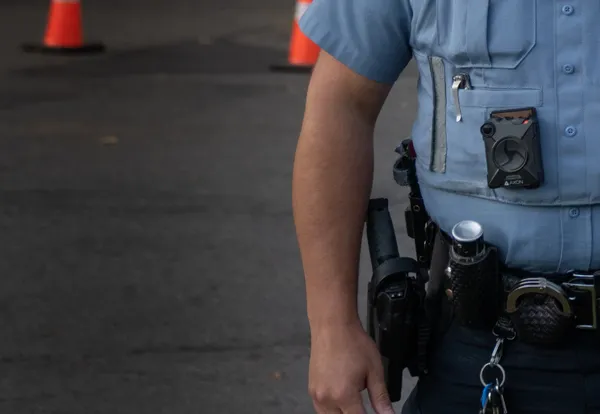
Body-worn cameras ordered for DHS agents operating in Minneapolis
Federal immigration enforcement operations in Minneapolis are set to proceed under a new equipment directive after Homeland Security Secretary Kristi Noem said every Department of Homeland Security law enforcement officer on the ground in the city will be issued a body-worn camera immediately. The announcement, made Monday, Feb. 2, 2026, also described a plan to expand deployment nationwide as funding becomes available.
The policy shift comes amid intensified public and legal scrutiny of federal agent conduct in Minneapolis following the Jan. 24, 2026 fatal shooting of Alex Pretti, a 37-year-old intensive care nurse, during a law enforcement encounter connected to a federal immigration enforcement campaign known as “Operation Metro Surge.”
Pretti case triggered court fights over evidence and access
In the days after the shooting, Minnesota state and county officials sought emergency court intervention to preserve evidence. On Jan. 25, 2026, Minnesota Attorney General Keith Ellison, working with the Minnesota Bureau of Criminal Apprehension and the Hennepin County Attorney’s Office, obtained a temporary restraining order in federal court barring DHS and related federal agencies from destroying or altering evidence tied to the shooting near 26th Street and Nicollet Avenue.
Federal officials have said evidence, including body-camera footage, is being preserved. At issue in court proceedings has been not only preservation but also the scope of access for state investigators during an active federal review.
What officials have said about body cameras so far
Prior to Monday’s directive, federal filings and public statements indicated uneven availability of body-worn cameras among agencies and units involved in Minneapolis operations. Court records and federal testimony in related proceedings described body-camera recording as expected during law enforcement encounters when devices are available and personnel have been trained, while also acknowledging operational exceptions in situations asserted to risk officer or public safety.
Separate disclosures to Congress stated that two federal officers fired shots during the Jan. 24 encounter—one from Border Patrol and one from Customs and Border Protection—and that federal reviewers were examining body-worn camera footage as part of an internal professional responsibility review.
Why Minneapolis became a focal point
Minneapolis has seen heightened tension around federal immigration enforcement activity, including public demonstrations and expanded federal presence. The Pretti shooting became a flashpoint because competing accounts emerged quickly and video evidence from multiple sources became central to public debate and legal strategy.
Noem’s Feb. 2 directive calls for immediate issuance of body-worn cameras to DHS personnel operating in Minneapolis, including Immigration and Customs Enforcement officers.
Federal court orders in late January focused on evidence preservation following the Jan. 24 shooting.
Congressional notifications and court proceedings indicate body-camera footage exists and is under review, while questions about access and transparency remain part of ongoing legal disputes.
Key unresolved questions include how rapidly equipment can be distributed and standardized across units, what recording exceptions will apply in practice, and when investigative findings related to the Jan. 24 shooting will be released.
Federal and state proceedings related to Operation Metro Surge and the Pretti investigation are continuing in the U.S. District Court in Minnesota.