Federal court restricts immigration agents’ protest tactics as Minneapolis faces renewed scrutiny over crowd-control misconduct
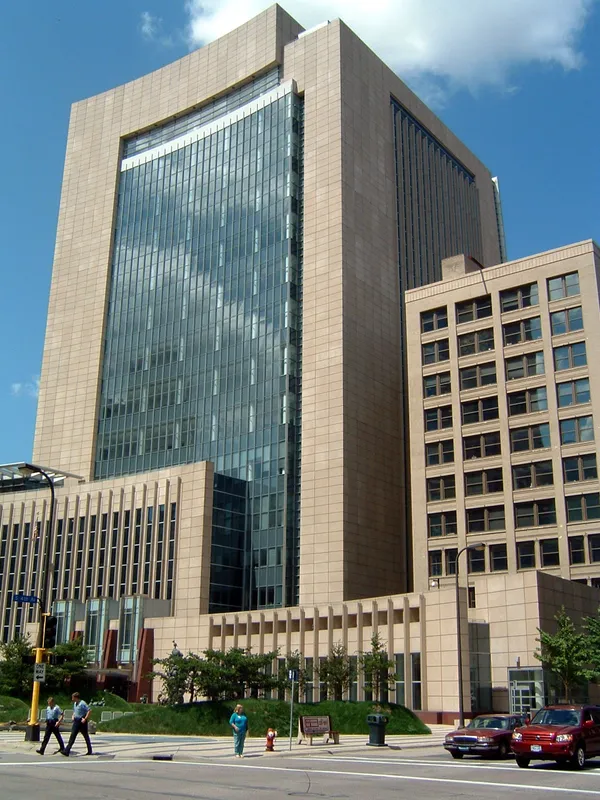
Judge limits federal crowd-control measures after Minneapolis incidents
A federal judge in Minnesota has issued a preliminary injunction restricting how federal immigration agents may respond to peaceful protest activity in the state, after allegations that demonstrators and legal observers were subjected to unconstitutional tactics during enforcement operations in Minneapolis.
The order bars agents involved in a federal operation known publicly as “Operation Metro Surge” from using certain crowd-dispersal measures and from detaining people who are not obstructing officers. The ruling also prohibits retaliation against individuals engaged in peaceful, unobstructive protest activity—an issue central to claims that enforcement activity and protest policing became intertwined in ways that chilled First Amendment rights.
Renee Good’s killing intensified protests and legal scrutiny
The injunction follows days of heightened tension after the fatal shooting of Renée Good, a 37-year-old U.S. citizen, during a January 7, 2026, encounter involving a federal immigration officer in south Minneapolis. Video of the incident circulated widely and helped catalyze protests and counterclaims about whether the officer acted in self-defense. Federal officials publicly described the incident as an attack on law enforcement, while Minneapolis officials disputed that characterization after reviewing video footage.
In the aftermath, demonstrations expanded near federal facilities and in neighborhoods where immigration enforcement activity was reported. The lawsuit that produced the injunction was filed on behalf of individuals who alleged they were detained or targeted despite not interfering with federal activity, including claims involving chemical irritants and aggressive show-of-force tactics.
Local history of protest-related claims informs the current debate
The federal ruling lands in a city already shaped by the long aftermath of the 2020 protests following George Floyd’s murder. Minneapolis has faced sustained legal exposure and public scrutiny over crowd-control decisions, including claims involving less-lethal munitions and allegations of excessive force during protest responses. In prior years, the city has paid significant settlements connected to protest-related injuries and misconduct claims.
That history has sharpened attention to how agencies—local and federal—define threats, calibrate force, and identify who may be detained during mass gatherings, particularly when observers, medics, and journalists are present.
Competing claims about training, accountability, and public safety
Federal officials have defended the deployment and tactics of immigration agents as necessary for officer safety and operational continuity, citing incidents in which agents reported facing projectiles and other interference. Civil-rights advocates and some local leaders counter that protest policing must be narrowly tailored to actual unlawful obstruction and must avoid punitive tactics aimed at dispersing lawful expression.
The injunction does not resolve underlying factual disputes about specific encounters. Instead, it establishes interim boundaries while litigation proceeds—placing immediate constraints on how agents may use force and make detentions in protest-adjacent settings.
- The order restricts detentions of individuals who are not obstructing officers.
- It bars retaliatory use of crowd-dispersal tools against protected speech.
- It applies to agents participating in the specified federal operation within Minnesota.
The case now moves into a phase where evidence, video, and sworn testimony will determine whether broader, longer-term limits are warranted.
For Minneapolis, the legal fight underscores a recurring challenge: balancing public safety and enforcement objectives while ensuring protest policing complies with constitutional protections and avoids patterns that have repeatedly produced injury claims, settlements, and court intervention.