Federal judge extends Minnesota-only order barring arrests and deportations of lawfully admitted refugees awaiting green cards
Preliminary injunction replaces earlier emergency order
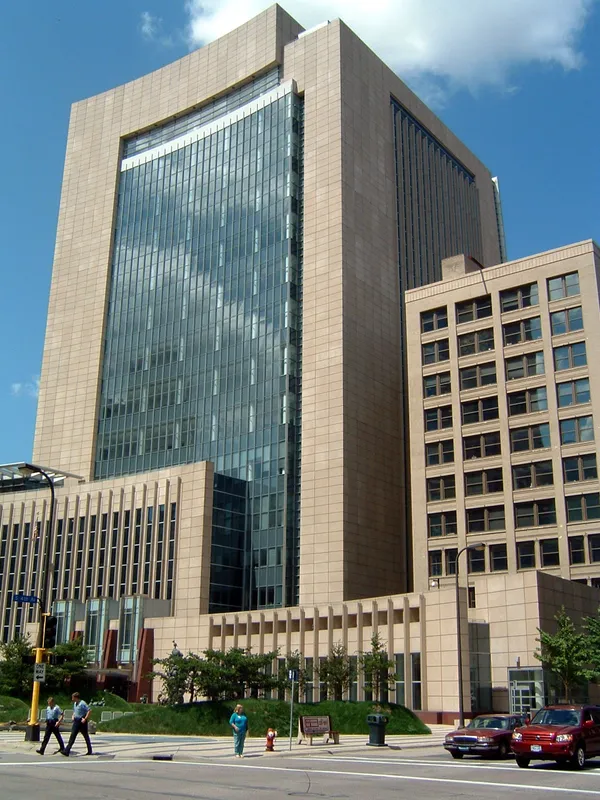
A federal judge in Minneapolis has extended court-ordered protections for certain refugees living in Minnesota, barring federal immigration authorities from arresting, detaining, or deporting them solely because they have not yet obtained lawful permanent resident status. The ruling converts an earlier temporary restraining order issued in late January into a preliminary injunction, a longer-lasting form of relief that remains in place while the case proceeds.
The order applies only within Minnesota and covers refugees who are lawfully present, reside in the state, have not adjusted to permanent resident status, and have not been charged with a ground of removal under the Immigration and Nationality Act. The case is being litigated in U.S. District Court in Minnesota before Judge John R. Tunheim.
Dispute centers on a new federal policy tied to one-year status reviews
The lawsuit challenges a federal policy shift that interprets the one-year mark after a refugee’s admission to the United States as a trigger for “return to custody” for inspection and examination connected to the green card process. Under that approach, refugees who do not present themselves for processing could be subject to arrest and detention while their cases are reviewed.
In court, the central question has been whether federal immigration agencies have legal authority to treat refugees—already admitted and living in communities—as subject to custody simply because their permanent residence applications are pending or incomplete after a year. The judge concluded the plaintiffs are likely to succeed on key legal claims and that the policy raises serious constitutional concerns, warranting continued injunctive relief.
Judge cited risk of sudden detention and out-of-state transfers
Filings and court discussion have focused on the practical consequences for refugees and families, including abrupt arrests, limited access to counsel, and transfers to detention locations outside Minnesota. The judge referenced evidence involving at least one named refugee who was arrested after being lured to a meeting under a false pretext, transported to Texas, held in restraints for hours, and ultimately released far from home without support for return travel.
The preliminary injunction is designed to maintain the status quo while the court considers whether the federal policy is consistent with the governing statute and constitutional protections.
State and federal responses underscore broader legal conflict
Minnesota’s attorney general has intervened in related court filings, arguing that arrests and detentions of resettled refugees harm the state’s sovereign interests and communities. Federal agencies have disputed the court’s authority to impose the restriction and have argued that the challenged approach is authorized by immigration law and necessary for public-safety and fraud-prevention objectives.
The Minnesota-only injunction does not resolve the national policy question. Instead, it establishes interim rules in this federal district while the lawsuit continues, positioning the case as a key test of how refugee status, adjustment procedures, and detention authority intersect under federal law.
- What changed: a temporary restraining order has been replaced by a preliminary injunction.
- Who is protected: certain lawfully admitted refugees residing in Minnesota who are not charged with removability and have not yet obtained green cards.
- What is blocked: arrests, detention, or deportation based solely on lack of adjusted status.
- What comes next: continued litigation on the legality and constitutionality of the underlying federal policy.
Morning Mist Gives Way to a Record-Chasing March Thaw
Minneapolis man gets 57 months for attempted juror bribery tied to Feeding Our Future trial
Minneapolis council members challenge MPD response to ICE actions as federal enforcement surge strains city limits