Federal judge grants injunction requiring access for clergy to ICE detainees at Minneapolis Whipple facility
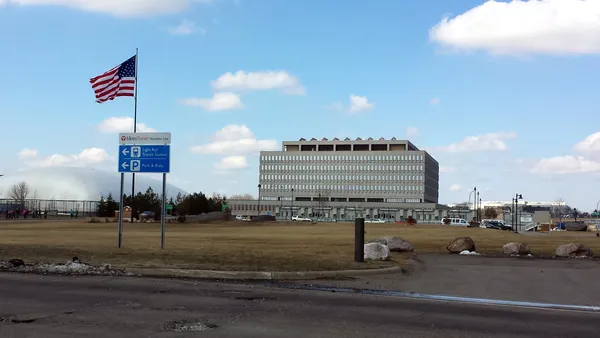
Injunction changes access rules at Minneapolis-area ICE holding site
A federal judge has granted an injunction requiring federal authorities to allow clergy to meet with people held in U.S. Immigration and Customs Enforcement custody at the Bishop Henry Whipple Federal Building near Fort Snelling, a site that has become a focal point of immigration-related litigation and public demonstrations in early 2026.
The order follows a lawsuit filed on Feb. 23, 2026, by multiple Minnesota faith organizations and a Jesuit priest who said they were repeatedly turned away when attempting to provide prayer, pastoral counseling, and sacramental ministry to detainees inside the building. The plaintiffs argued that the facility’s practices amounted to a categorical prohibition on spiritual care, rather than a safety-based limitation with workable procedures for scheduling and entry.
What the plaintiffs alleged
The complaint described a pattern in which clergy seeking to visit were directed to call numbers that did not result in access, were told visits could not be accommodated, or were denied entry even on significant religious observances. The suit asked the court to require a predictable process allowing in-person pastoral visits for detainees who request them, subject to reasonable security and identification requirements.
The Whipple building is a federal facility used as a processing and short-term holding location. In separate proceedings, attorneys representing noncitizen detainees have alleged that people held there faced barriers to speaking with legal counsel before being transferred out of state, including rapid transport to distant detention centers.
How this fits into broader court oversight of the Whipple building
The clergy injunction arrives amid ongoing federal-court scrutiny of detention and transfer practices in Minnesota. In February, a federal judge issued emergency orders aimed at ensuring access to counsel for people detained at the Whipple facility, including requirements tied to timely, meaningful communication with attorneys before transfers occur. Those cases centered on constitutional due process concerns and the practical ability of detainees to obtain legal advice during a fast-moving detention timeline.
Together, the legal disputes underscore how the Whipple facility’s operations—particularly short stays followed by transfers—create time-sensitive conditions for detainees seeking outside contact, whether for legal representation or spiritual care.
What changes with the injunction
- Federal officials must allow clergy access for in-person visits with detainees who want spiritual support.
- Any restrictions must be implemented through neutral, operationally workable procedures rather than across-the-board denials.
- Security screening and identification requirements may still apply, so long as they are administered consistently and do not function as a de facto ban.
The case places two long-recognized institutional interests into direct operational tension: the government’s responsibility to run secure federal facilities and detainees’ ability to receive requested religious ministry while in custody.
The injunction does not resolve the lawsuit’s underlying claims on the merits, but it imposes immediate requirements on access while the litigation continues. Further court hearings are expected as the parties address implementation details and any broader relief sought in the case.