Federal judge rejects Minnesota bid to halt Minneapolis ICE surge as broader lawsuit continues
Court declines to pause Operation Metro Surge
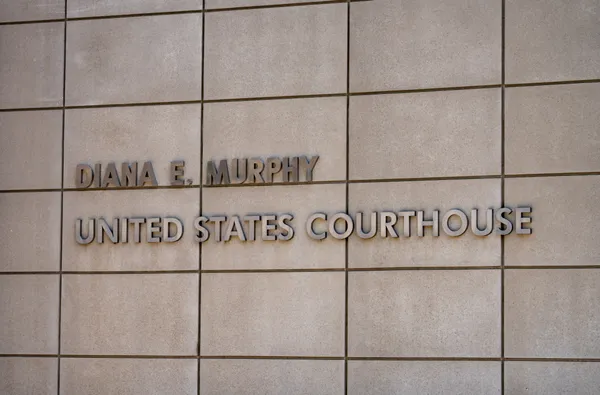
A federal judge in Minneapolis has denied a request from Minnesota and the cities of Minneapolis and St. Paul to immediately halt the ongoing federal immigration enforcement deployment known as Operation Metro Surge. The ruling means the operation may continue while a broader legal challenge proceeds in federal court.
The case was brought by Minnesota Attorney General Keith Ellison alongside Minneapolis Mayor Jacob Frey and St. Paul Mayor Kaohly Her. The plaintiffs sought emergency court relief to stop the surge and argued the deployment and its tactics were unlawful and unconstitutional. The judge concluded the legal standard for an immediate court-ordered pause was not met at this stage, leaving the underlying claims to be litigated in subsequent proceedings.
What state and city leaders argue is unlawful
Minnesota and the two cities have framed the dispute as more than a disagreement over federal priorities. Their filings allege the surge has forced local governments to divert resources, disrupted public services, and contributed to fear and instability across neighborhoods. They contend the deployment effectively pressures local authorities and institutions to accommodate federal immigration enforcement in ways the Constitution does not permit.
The lawsuit includes constitutional claims centered on federalism and civil liberties, as well as challenges to the way the operation has been implemented. The plaintiffs have also sought court restrictions on specific enforcement behaviors, including actions at sensitive locations such as schools, churches and hospitals.
How the federal government has defended the operation
Federal officials have defended the surge as lawful immigration enforcement and a public-safety operation within federal authority. In court, the federal government opposed pausing the mission while litigation continues, arguing that doing so would impede enforcement of federal immigration law.
The judge’s decision leaves the core dispute unresolved: whether the scale and methods of the surge cross constitutional limits or are within the federal government’s enforcement discretion.
Events that intensified scrutiny in January
The legal battle has unfolded amid heightened tensions following two fatal shootings in Minneapolis tied to federal immigration enforcement activity.
- On Jan. 7, 2026, Renée Nicole Good, 37, was fatally shot during an enforcement-related encounter in Minneapolis involving an Immigration and Customs Enforcement officer.
- On Jan. 24, 2026, Alex Jeffrey Pretti, 37, an intensive care nurse employed by the U.S. Department of Veterans Affairs, was fatally shot by Customs and Border Protection agents during an incident connected to protest activity surrounding the surge.
Those deaths have prompted sustained protests and sharpened local and national scrutiny of the operation’s conduct, training, and accountability mechanisms.
What happens next
The denial of emergency relief does not end the case. The lawsuit challenging Operation Metro Surge remains active, and the court is expected to address the merits of the constitutional and statutory claims on a fuller record. Additional hearings and filings are expected as Minnesota, Minneapolis and St. Paul continue seeking limits on the operation and as the federal government continues defending its authority to conduct it.
The central question moving forward is whether the operation’s execution violates constitutional protections or falls within the government’s enforcement powers.