Former CNN anchor Don Lemon arrested in Los Angeles over January disruption at St. Paul church service
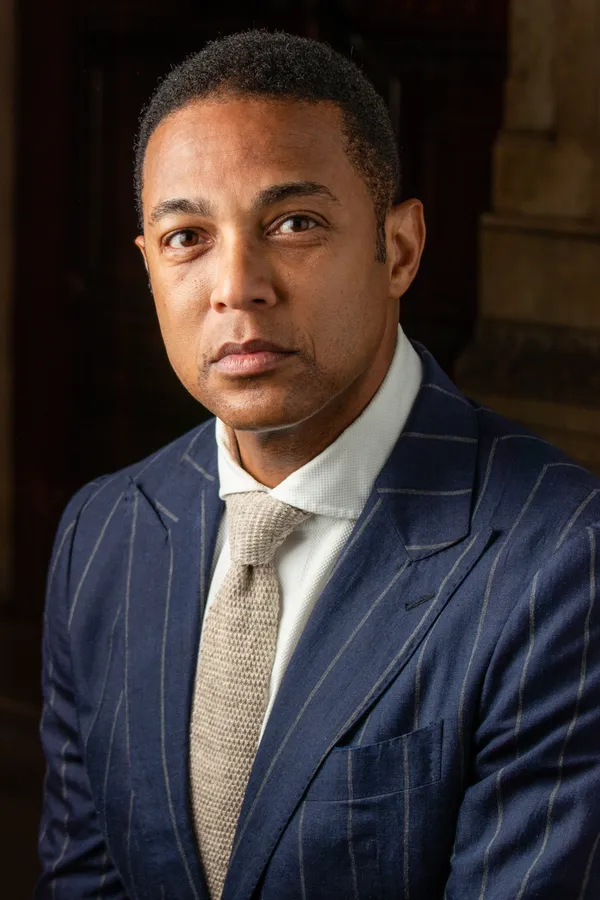
Arrest follows Jan. 18 protest at Cities Church in St. Paul
Former CNN anchor Don Lemon was arrested in Los Angeles late Thursday, Jan. 29, in connection with a Jan. 18 protest that disrupted a Sunday service at Cities Church in St. Paul, Minnesota. Lemon’s attorney, Abbe Lowell, said Lemon was taken into custody by federal agents while he was in Los Angeles on an assignment covering the Grammy Awards.
The arrest comes after federal prosecutors previously sought to bring a criminal case tied to the church incident and a magistrate judge declined to approve an initial attempt to charge Lemon based on the government’s early filings. In the wake of Lemon’s arrest, the specific charge or charges he faces were not publicly detailed in initial announcements, and the procedural posture of the case appeared to be evolving, including references in national reporting to additional court filings and potential indictment activity.
What happened inside the church
The Jan. 18 incident centered on Cities Church, where demonstrators entered during worship and confronted the congregation and clergy as part of a protest tied to federal immigration enforcement. The protest specifically targeted a pastor described in federal statements and court reporting as also serving in a role connected to U.S. Immigration and Customs Enforcement.
Lemon, who left CNN in 2023 and has since produced independent journalism, said he was present to document events. His lawyer has maintained that Lemon was not affiliated with organizers and that his actions amounted to constitutionally protected newsgathering.
- Date of the church disruption: Sunday, Jan. 18, 2026
- Location: Cities Church, St. Paul, Minnesota
- Date and location of Lemon’s arrest: Thursday night, Jan. 29, 2026, in Los Angeles
Federal response and broader press-freedom dispute
Federal officials have described the church disruption as a coordinated attack on a place of worship and have pursued arrests of multiple people tied to the incident. Along with Lemon, federal statements and widely reported accounts identified other arrestees connected to the same investigation, including Minnesota journalist Georgia Fort.
Lowell said Lemon will contest the case in court. The defense position has framed the arrest as raising First Amendment concerns when journalists document contentious public events, while federal authorities have indicated the investigation concerns conduct they view as unlawful interference with a religious service.
Lemon’s defense has argued that his presence at the church was journalistic and that he did not participate in organizing the protest.
What remains unclear
As of Friday morning, Jan. 30, 2026, key elements remained unresolved: the precise counts being pursued against Lemon, how prosecutors would distinguish journalistic documentation from alleged participation, and what evidence will be presented in court to support the government’s theory of criminal liability. Lemon is expected to make an initial court appearance as the case proceeds.
The arrests have intensified scrutiny of how federal authorities apply civil-rights and public-order statutes to protest-related conduct, particularly when journalists are present at the scene and recording events as they unfold.