Former Cook County residents in Minneapolis describe daily disruption as federal immigration enforcement expands across Minnesota
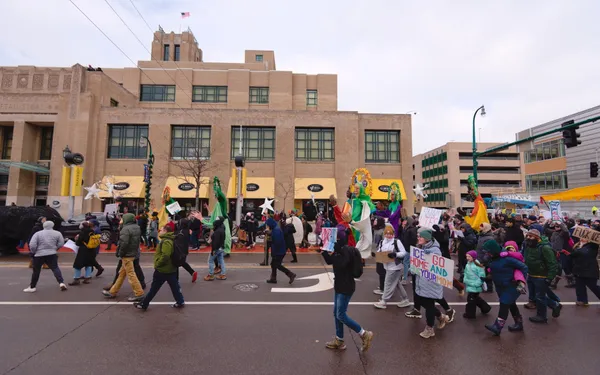
Federal immigration operation reshapes daily routines in Minneapolis
Residents who previously lived in Cook County, Illinois, say life in Minneapolis has shifted noticeably in recent weeks as a large federal immigration enforcement operation expanded across Minnesota. The operation, publicly described by federal officials as the largest such effort ever carried out, has brought an intensified presence of immigration officers into neighborhoods, commercial areas and public spaces.
Reports from multiple Twin Cities communities describe frequent sightings of federal agents operating in groups, sometimes in unmarked vehicles and tactical gear. The heightened visibility has coincided with cancellations and disruptions to everyday activity, including reduced foot traffic for some small businesses and changes in how families handle transportation to school, work and medical appointments.
Incidents in January escalated tensions and widened scrutiny
Tensions rose sharply after a fatal shooting on January 7, 2026, when an immigration officer shot and killed Renée Nicole Good, a 37-year-old Minneapolis resident and U.S. citizen, during an enforcement-related encounter. Public reaction included large demonstrations and renewed demands for transparency around the rules governing federal operations in a city that limits local participation in immigration enforcement.
Additional confrontation followed on January 14, 2026, when a federal officer shot a man during an enforcement action in north Minneapolis. The shooting led to protests and police crowd-control responses, further intensifying debate over the conduct, scale and oversight of the federal deployment.
How residents say the operation is affecting day-to-day decisions
Former Cook County residents interviewed by the newsroom described a familiar set of pressures associated with heightened enforcement: uncertainty over where agents may appear, concerns about mistaken detentions, and reluctance among some community members to leave home for routine errands. While some residents support tougher immigration enforcement in principle, they also described worry about the operational footprint and the effect on public trust.
- Some families report limiting travel to work, school and medical visits unless necessary.
- Community groups and volunteers have organized watch networks aimed at documenting enforcement activity and assisting families who feel unsafe traveling.
- Local officials have urged residents to prioritize safety and to rely on verified information as rumors spread quickly during periods of high enforcement visibility.
Federal-state friction and legal questions
The intensified federal presence has widened an already public dispute between federal authorities and Minnesota leaders over jurisdiction, local cooperation policies and civil liberties. Legal challenges and policy debates have accelerated, focusing on issues such as detentions, identification practices, and the operational need for heavily resourced deployments in areas where local governments restrict participation in immigration enforcement.
For many residents new to Minneapolis from the Chicago area, the most striking change has been how quickly a federal operation can influence ordinary routines—school drop-offs, commutes, and even decisions about where to shop.
As the operation continues, residents and officials alike are watching for clearer parameters on how long the surge will last, what enforcement priorities will govern it, and what accountability mechanisms will be applied when operations lead to injury or death.