From Minneapolis to Portland, shootings by immigration agents trigger protests and sharpen oversight, legal, and policy battles
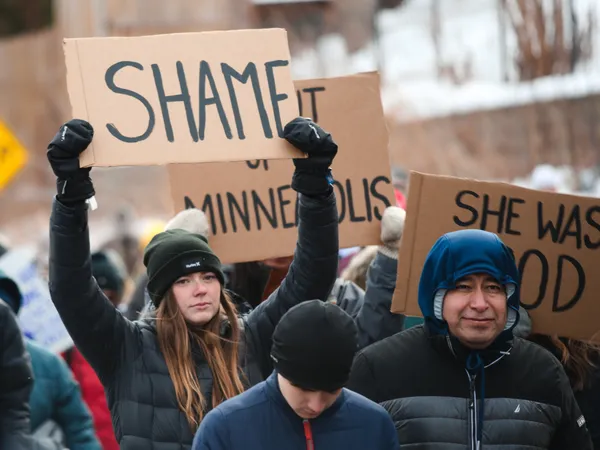
Protests intensify after two high-profile shootings
Minneapolis and Portland have become focal points in a fast-moving national debate over the use of force during federal immigration enforcement operations, following two shootings within two days that prompted demonstrations across the United States.
In Minneapolis, 37-year-old Renee Nicole Good was fatally shot on January 7, 2026, by an Immigration and Customs Enforcement officer during an immigration operation. Federal authorities described the shooting as self-defense. The incident quickly drew large crowds to the site of the shooting and helped catalyze a wave of rallies and vigils in multiple states.
On January 8, 2026, in Portland, Oregon, U.S. Border Patrol agents shot and wounded two people in a parking lot outside a hospital. The individuals were identified as Yorlenys Betzabeth Zambrano-Contreras and Luis David Nino-Moncada. Federal officials also framed that shooting as self-defense. Local reporting and subsequent court filings described a confrontation involving a vehicle and unmarked federal vehicles, with federal prosecutors alleging the driver attempted to flee and struck an enforcement vehicle before an agent fired into the truck.
Community response: nationwide actions and local tensions
In Minneapolis, thousands marched on January 10, 2026, amid calls by state and city leaders for peaceful demonstrations. Similar events took place in cities and smaller communities, reflecting a response that extended beyond traditional protest centers. The protests included calls for accountability, questions about federal enforcement tactics, and demands for policy change.
In both cities, the aftermath has also included confrontations and arrests. In Minneapolis, clashes were reported near federal facilities during the days following Good’s death. In Portland, arrests were reported during protests after the January 8 shooting.
Oversight fight: access to detention facilities becomes a flashpoint
The shootings have intersected with an escalating dispute over congressional oversight of immigration detention facilities. In January 2026, a new Department of Homeland Security policy required members of Congress to provide seven days’ notice before visiting Immigration and Customs Enforcement detention sites. A federal judge in Washington, D.C., declined to block the new policy, concluding it constituted a new agency action separate from earlier litigation.
The legal fight over access has become part of a broader contest over transparency, real-time monitoring, and accountability in immigration enforcement operations.
Political and legal pressures expand in Minnesota
In Minnesota, the political fallout widened on January 20, 2026, when subpoenas were reported to have been issued to Gov. Tim Walz and other Democratic officials as part of a Justice Department inquiry into whether public actions or statements interfered with federal immigration operations in the Twin Cities. The investigation unfolded as state and local officials criticized the scope and tactics of federal deployments and as related court actions continued.
Key facts at a glance
- January 7, 2026: Renee Nicole Good fatally shot in Minneapolis during an ICE operation.
- January 8, 2026: Two people shot and wounded by Border Patrol agents in Portland outside a hospital.
- January 10, 2026: Large-scale protests in Minneapolis and other cities; continued demonstrations nationwide.
- January 2026: Court dispute intensifies over the federal policy requiring seven days’ notice for congressional facility visits.
As investigations proceed in both cases, the central questions remain focused on the circumstances of the shootings, the standards governing the use of force, and how oversight and enforcement authorities will be balanced in the weeks ahead.