How Technology Has Shaped U.S. Social Movements, From Revolutionary Printing Presses to Minneapolis Encrypted Organizing
Technology as an accelerant, not a substitute
Across U.S. history, organizers have repeatedly adopted the newest communications tools available to spread information, coordinate action and document events in real time. The pattern is visible in early American independence organizing, 19th-century reform campaigns, 20th-century civil rights activism, and today’s smartphone-driven networks. In each era, technology has helped expand reach and speed, while introducing new vulnerabilities such as surveillance, disruption and misinformation.
Minneapolis as a recent case study
In Minneapolis, community responses to heightened immigration enforcement have included the use of encrypted messaging platforms, mobile-phone video recording, and crowd-based reporting tools that track the presence of federal agents. These tools have been used to share alerts, organize rapid-response support, and preserve video evidence of encounters on city streets.
At the same time, the availability of such tools has not eliminated the need for on-the-ground organizing. Much of the activity has relied on neighborhood-level networks that can confirm information quickly, decide when to mobilize and provide assistance to affected families and communities. Digital channels can extend those networks, but they do not replace the trust and coordination built through in-person relationships.
A long timeline of movement technology
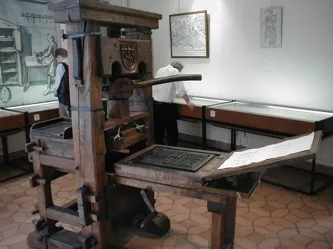
1770s: Political leaders in the American colonies used printed pamphlets and newspapers to circulate arguments and coordinate resistance. Organizational networks linked communities across long distances through structured correspondence and postal routes.
1830s: Faster, higher-volume printing helped abolitionist campaigns distribute broadsides and newspapers more widely and at lower cost.
1840s: The telegraph enabled quicker mobilization and wider awareness around reform gatherings and conventions, accelerating information flows that previously depended on slower mail delivery.
1950s–1960s: Television broadcast images of police violence and mass demonstrations to national audiences, shaping public understanding and increasing pressure on institutions.
2000s–2020s: Smartphones and social platforms have lowered barriers for participation, enabling rapid distribution of footage and near-instant coordination across geography.
Risks: surveillance, legal exposure and false certainty
Modern digital organizing also carries costs. Phones and apps can create new vectors for surveillance, doxxing and infiltration, and can expose individuals to legal risk when authorities argue that certain kinds of assistance amount to obstruction or facilitation. Platforms and app stores can also limit access by removing tools deemed to pose safety risks, reshaping how communities communicate on short notice.
Another limitation is behavioral: digital engagement can create an illusion of participation without building sustained capacity. Organizers often differentiate between information sharing and durable structures that can sustain turnout, mutual aid and legal support over time.
Across eras, the common thread is that communication tools can speed organization, but movements still depend on people, local networks and durable trust.
What the historical record suggests
From pamphlets to television broadcasts to encrypted group chats, technologies have repeatedly expanded the scale and tempo of U.S. collective action. The consistent lesson is dual: communication breakthroughs can amplify a movement’s reach, but they also introduce new dependencies and vulnerabilities. Ultimately, the driving force remains community organization—technology can accelerate it, but does not create it on its own.