How whistles became a rapid-warning tool and protest symbol amid Minneapolis anti-ICE mobilization
A sound that signals urgency
In recent weeks, whistles have moved from being a simple noisemaker to a recognizable signal in Minneapolis demonstrations against federal immigration enforcement. The sound has been used both in organized marches and in neighborhood-based rapid-response efforts that aim to draw attention when immigration agents are believed to be operating nearby.
The whistle’s growing prominence has coincided with an intensified federal enforcement presence in Minnesota that began in late 2025 and continued into January 2026, generating frequent street-level encounters, increased public monitoring of enforcement activity, and a sharp rise in protests across the Twin Cities.
From protest prop to coordinated alert
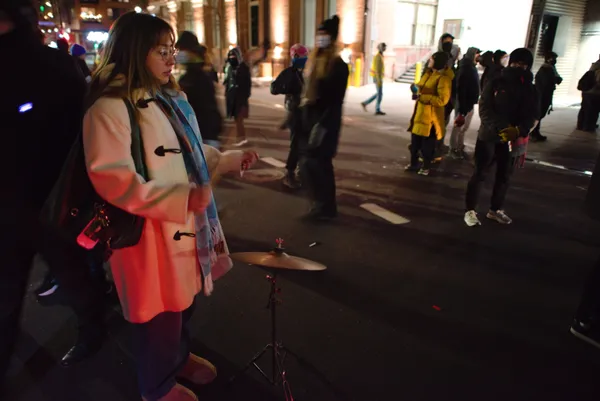
Whistles have been used at rallies to amplify chants, keep marchers together in dense crowds, and create an audible signal that carries farther than voices—especially along busy commercial corridors and through residential blocks. Organizers and participants have also used the sound as an attention cue for bystanders and for other demonstrators moving between locations.
Separate from large scheduled events, neighborhood-based “rapid response” networks have encouraged residents to treat whistles as a quick, low-tech way to alert others that enforcement activity may be occurring in the area. In practice, these efforts have relied on real-time messaging channels, volunteer observers, and impromptu gatherings intended to document activity and monitor interactions between agents and the public.
- Audible, portable signaling that does not depend on cellular reception in the moment
- Rapid crowd formation when combined with phone alerts and neighborhood networks
- Visibility and documentation, as people arrive prepared to record events on video
Minneapolis protests after a fatal shooting
The whistle has been especially noticeable at large demonstrations following the fatal shooting of Renee Nicole Good by an ICE agent earlier this month. On January 10, 2026, thousands gathered at Powderhorn Park in south Minneapolis for a rally and march that moved along Lake Street and through nearby neighborhoods. The demonstration was largely peaceful and centered on calls for changes to federal immigration enforcement practices in Minnesota.
At major marches, whistles have been used to punctuate chants, guide movement, and sustain cohesion as crowds move between rally points.
Risks of rapid alerts and mistaken identification
The same speed that makes whistle-based and text-based alerts effective can also amplify errors. In one recent incident in southwest Minneapolis, a rapid-response alert circulated about suspected plainclothes federal agents at a local business. Protesters arrived quickly and used whistles as part of the confrontation, but the individuals targeted were not federal agents. The episode highlighted an ongoing challenge for decentralized networks: verifying information before a crowd mobilizes.
Such incidents have fueled debate within activist circles and among residents about the balance between rapid mobilization and accuracy, particularly when tensions are high and people may fear immediate enforcement actions.
Legal scrutiny and escalating tensions
The broader enforcement operation has also faced legal scrutiny. A federal court order issued in mid-January placed restrictions on certain tactics by federal agents in Minnesota, including limits tied to crowd-control tools and retaliation against people engaged in peaceful protest activity. In the days following, public attention intensified around allegations of chemical agents being used during confrontations.
As Minneapolis continues to experience demonstrations, the whistle has emerged as both a practical tool and a symbol—signaling presence, urgency, and collective action—while also underscoring the operational and ethical pressures that come with real-time, neighborhood-driven mobilization.