Hundreds of flight cancellations hit Minneapolis-St. Paul International Airport as winter storm disrupts weekend operations
What happened at MSP
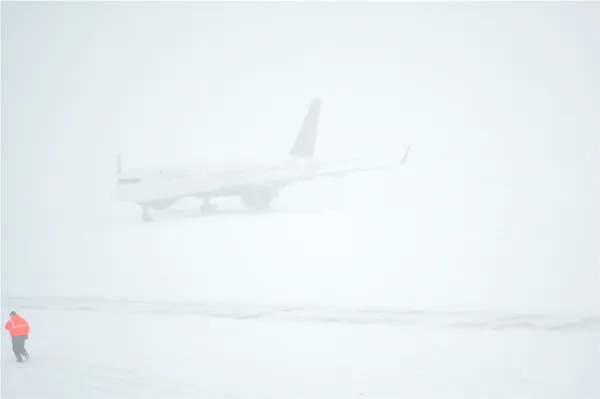
Minneapolis–St. Paul International Airport (MSP) experienced widespread flight disruptions as a winter storm moved through the Upper Midwest, forcing airlines to cancel hundreds of departures and arrivals and leaving additional flights delayed. The disruption affected both local travelers and passengers connecting through MSP, a major hub for domestic routes and regional feeder service.
Airlines began thinning schedules ahead of the most intense weather to reduce the risk of aircraft and crews being stranded out of position. That strategy can lower congestion at gates and on taxiways but often produces a rapid cascade of rebookings across the network, particularly on a weekend when loads are higher and later flights may already be full.
Why winter storms cause cancellations even when the airport stays open
Large cancellation events are typically driven by a combination of hazards rather than a single factor. Snow and ice require continuous runway and taxiway plowing, de-icing of aircraft, and periodic inspections. Wind can restrict runway configurations and reduce arrival rates, while low visibility can increase spacing between aircraft. In addition, airline operations can be disrupted by crew duty-time limits, aircraft rotation problems, and earlier weather impacts in other cities that feed MSP’s schedule.
In major winter events, the operational challenge is often recovering the system once aircraft and crews are out of sequence—especially at connecting hubs.
Passenger impacts and what travelers can do
For travelers, the most immediate consequence is lost seat inventory: once a large block of flights is canceled, rebooking options shrink quickly. Passengers with tight onward connections, international itineraries, or travel tied to events may face multi-day delays if alternative routings require open seats through other hubs.
- Check your flight status frequently before leaving for the airport and continue monitoring it, since cancellation decisions can change as conditions evolve.
- Consider rebooking proactively when a carrier issues a weather-related waiver, which may allow date changes without certain fees under the airline’s terms.
- If a flight is canceled, U.S. rules require a refund for the unused portion of the ticket when a passenger chooses not to travel, regardless of the reason for cancellation.
- Plan extra time for security and for winter operations at the curb and parking ramps, including slower traffic and longer walks.
What to watch next
The key indicator for recovery at MSP is whether airlines can restore normal arrival and departure rates as snowfall and wind diminish. Even after conditions improve, backlog effects can linger as carriers reposition aircraft, rotate crews, and work through delayed inbound flights. Travelers scheduled for later departures should be prepared for rolling adjustments to schedules as the airfield and airline networks stabilize.