Hundreds of Vehicles Towed as Minneapolis and St. Paul Begin Snow Emergency Parking Enforcement
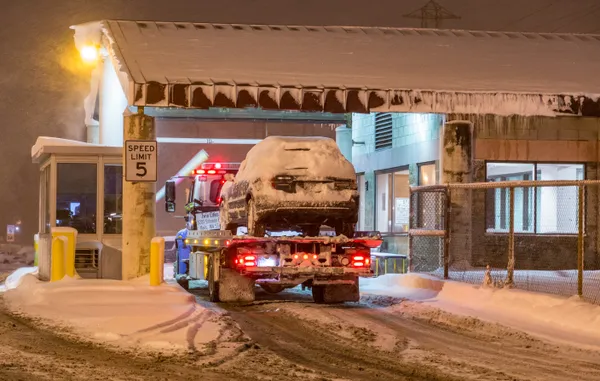
Impound lots fill quickly as plows move in under phased parking restrictions
Hundreds of vehicles were towed across Minneapolis and St. Paul on the first day of snow emergency enforcement, as both cities began clearing key routes after a major snowfall. The early surge in towing reflects how tightly snow operations are tied to parking compliance: plows can only fully clear streets when curb lanes are open.
In St. Paul, more than 1,300 tickets were issued and 351 vehicles were towed from designated night plow routes on the first night of a recent snow emergency. Minneapolis’ snow emergency system similarly begins with strict restrictions on designated routes, with enforcement that can include towing for vehicles that remain in violation.
How snow emergencies work in each city
Both cities use phased rules intended to prioritize the streets that carry the most traffic, emergency response, and transit service. In St. Paul, the snow emergency begins with a “Night Plow” phase on signed routes, followed by a “Day Plow” phase on streets without night plow route signs, and later a clean-up stage. St. Paul’s rules allow vehicles parked in violation to be ticketed and towed for up to 96 hours after a snow emergency goes into effect.
Minneapolis also uses a multi-day structure. The first night focuses on designated snow emergency routes, followed by rules that typically shift parking to one side of non-snow-emergency streets to allow curb-to-curb plowing. City guidance notes that staffing and tow-truck availability can limit how many vehicles are actually removed, even when more are parked illegally.
- St. Paul tows during declared snow emergencies and transports vehicles to a dedicated snow impound lot near the State Fairgrounds.
- Minneapolis tows snow-emergency violators to the city impound facility on Van White Memorial Boulevard.
- Enforcement is concentrated on routes scheduled for plowing during each phase.
Costs and practical impacts for drivers
Tows can quickly become expensive. St. Paul’s commonly cited costs include a parking ticket plus towing and impound fees, with daily storage charges if a vehicle is not retrieved promptly. Minneapolis assesses towing and daily storage fees as well, with charges that can increase when vehicles remain in the lot overnight.
For many residents, the first heavy snowfall is also a reminder that snow emergency rules can change by street type and by day—often with only a few hours’ notice between declaration and enforcement.
What’s next as the emergency continues
City operations typically proceed from major routes to residential streets as phases advance. Officials encourage residents to monitor snow emergency declarations, verify whether their block is a designated route, and move vehicles before the relevant phase begins to avoid towing and speed up plowing. Cities also continue enforcement into later stages to support clean-up passes and keep lanes open for additional snow removal.
As snowfall totals rise and repeated storms occur, the number of tows can also be influenced by tow-truck capacity and how quickly residents can relocate vehicles, especially in neighborhoods with limited off-street parking.