ICE and Border Patrol Briefing Highlights Scope, Legal Dispute, and Community Tensions in Minneapolis Operations
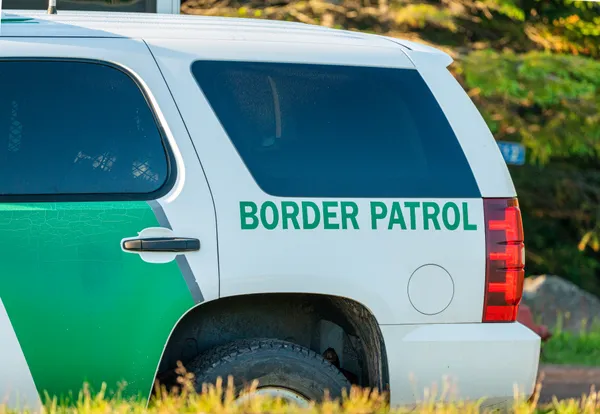
Federal immigration agencies outline Minneapolis-area enforcement as lawsuits and subpoenas intensify
Federal immigration officials held a public briefing focused on ongoing enforcement operations in the Minneapolis–St. Paul region, as the effort continues to generate court challenges, political pushback, and heightened community tensions. The briefing featured senior leaders from U.S. Immigration and Customs Enforcement and U.S. Customs and Border Protection, including the U.S. Border Patrol, describing an expanded “Title 8” immigration enforcement mission and declining to provide precise operational figures.
Public statements by federal officials in recent days have described “thousands” of Department of Homeland Security personnel operating in Minnesota, including ICE, Border Patrol, Homeland Security Investigations, and other DHS components. In a separate national interview, a Border Patrol commander said the federal footprint in the Minneapolis area exceeds 2,400 agents, describing the concentration as among the largest in the country. Officials have framed the deployment as focused on immigration enforcement, while also citing assaults on federal personnel and broader public-safety concerns tied to unrest around the operation.
Parallel legal battles shape the next phase
The operational briefing comes amid accelerating legal conflict between Minnesota officials and the federal government. On January 12, 2026, Minnesota’s attorney general, joined by the cities of Minneapolis and St. Paul, filed a federal lawsuit seeking to halt or limit the surge of federal immigration enforcement in the Twin Cities. The complaint alleges constitutional and administrative-law violations and points to disruptions affecting schools, businesses, emergency response systems, and residents’ civil liberties.
At the same time, federal prosecutors have issued grand jury subpoenas to multiple Minnesota offices, including the governor, the attorney general, and the mayors of Minneapolis and St. Paul, as part of an investigation into whether public officials obstructed or impeded federal immigration enforcement. Records sought include materials related to cooperation with federal law enforcement and communications connected to the ongoing operation. A federal judge is also weighing separate issues linked to protest-related detentions and use of force, with orders already limiting how federal officers may detain or use chemical agents against peaceful demonstrators who are not obstructing law enforcement activity.
Shooting investigation remains a flashpoint
Public scrutiny remains intense after the fatal shooting of Renée Good, 37, on January 7, 2026, in Minneapolis during an encounter involving an ICE officer. Federal officials have described the shooting as self-defense, while video of the incident has circulated widely and remains central to ongoing public debate and investigative review. In recent reporting, federal officials said the FBI is investigating after Minnesota’s Bureau of Criminal Apprehension withdrew from the case, citing limits on access to evidence.
Key issues residents are watching
- How courts will rule on Minnesota’s request to halt or restrict the deployment.
- Whether federal arrest totals and targeting criteria can be independently verified through court filings and public records.
- How investigators will resolve disputes over evidence access in the Good shooting case.
- How federal agencies and local governments will manage public safety amid continuing protests and allegations of racial profiling.
For Minneapolis residents, the enforcement surge is increasingly defined not only by arrests and street-level encounters, but by overlapping investigations and court fights that will determine the limits of federal authority and local resistance in the weeks ahead.