In Delano Near Minneapolis, Trump Voters Endorse Immigration Crackdown While Questioning Enforcement Tactics And Political Costs
A Republican-leaning suburb becomes a window into a national political test
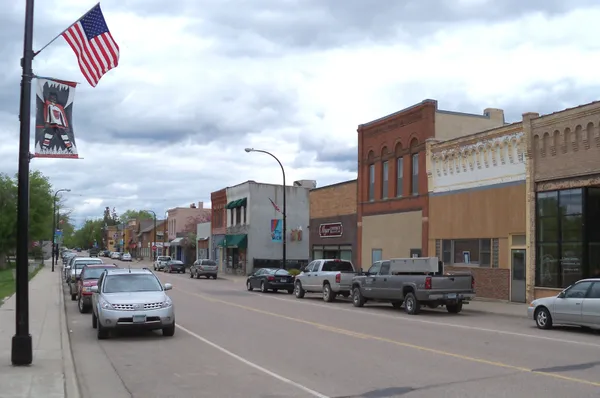
In Delano, a Republican-leaning community about 10 miles west of downtown Minneapolis, several voters who supported President Donald Trump say they continue to back his administration’s intensified immigration enforcement even as controversy grows over how the operation is being carried out in the Twin Cities region. Their views underscore a central tension for Republicans heading into the 2026 midterms: sustained support for stricter immigration enforcement alongside concern that highly visible tactics and high-profile incidents could reshape public opinion.
What the federal operation involves in Minnesota
The Department of Homeland Security has described the current Minnesota deployment as the agency’s largest immigration enforcement operation, with plans to place roughly 2,000 federal agents and officers in the Minneapolis–St. Paul area. The presence includes personnel tied to Immigration and Customs Enforcement enforcement teams as well as investigators focused on allegations of fraud, human smuggling and unlawful employment practices. Federal officials have framed the effort as a public-safety and fraud-focused initiative, while state and local leaders have raised constitutional and civil-rights concerns.
- Scale: a planned surge of about 2,000 personnel in the metro area.
- Focus: immigration arrests alongside investigative work that federal officials say includes fraud-related inquiries.
- Geography: Minneapolis and St. Paul neighborhoods and surrounding suburbs have reported increased federal activity, including traffic stops and enforcement actions near businesses and apartment complexes.
Support for the crackdown, paired with unease about execution
Interviews with Trump supporters in Delano show continued backing for a tougher approach to illegal immigration and deportations. At the same time, some described the operational rollout as uneven and said the political backlash could complicate Republicans’ prospects in competitive races. That mix of support and apprehension reflects an emerging split within the broader Republican coalition, where some voters and party figures are calling for clearer definitions of enforcement targets and tighter operational discipline.
Several Delano voters said they support the crackdown’s goals but worry that controversial scenes and perceived missteps could carry electoral consequences in 2026.
Political fallout escalates after a fatal shooting and legal challenge
State and city officials have taken an increasingly adversarial posture toward the federal deployment. Minnesota, Minneapolis and St. Paul have filed suit seeking to halt or limit the enforcement surge, arguing that the operation has violated constitutional protections. The legal action followed a fatal shooting of a Minneapolis woman, Renée Good, by a federal officer during the enforcement surge—an incident that intensified protests, school walkouts and nationwide demonstrations.
Federal authorities have defended the operation as lawful and necessary. Meanwhile, Minneapolis-area officials have said the scale and style of the deployment have strained public trust and heightened fear in immigrant communities, including among the state’s sizable Somali-American population—an ongoing focal point of federal attention connected to fraud investigations cited by the administration.
What to watch next
With the operation’s duration and practical scope subject to change, the immediate questions are operational and political: whether federal agencies narrow enforcement priorities, how courts respond to Minnesota’s lawsuit, and whether public reaction in the Twin Cities region becomes a durable factor in midterm voting patterns. For communities like Delano, the debate is no longer abstract—immigration enforcement is unfolding nearby, and voters are weighing both policy goals and the consequences of how those goals are pursued.