Justice Department says no active federal civil rights case after Minneapolis ICE shooting, despite initial FBI steps
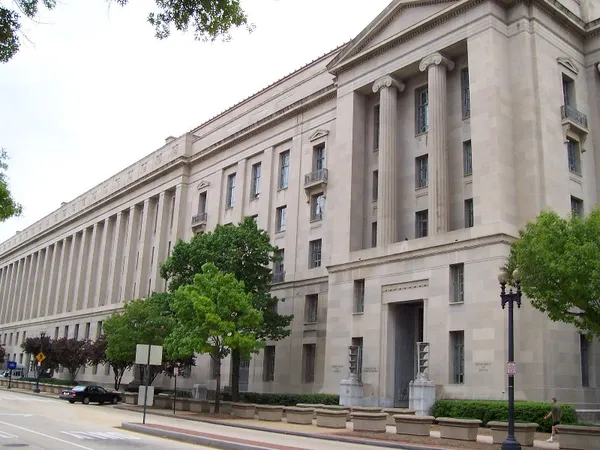
A federal review began after the Jan. 7 shooting, but Justice Department leaders say no civil rights case is open now
The U.S. Justice Department has said it is not pursuing a criminal civil rights investigation into the Jan. 7, 2026, fatal shooting of Renée Good, 37, by an Immigration and Customs Enforcement officer during a federal operation in Minneapolis. The announcement has drawn scrutiny because federal law enforcement personnel initially took steps consistent with opening a civil rights review of the officer’s use of force, before senior Justice Department officials later said no such investigation was warranted.
Good, a U.S. citizen, was shot three times while inside a vehicle during the encounter. Federal officials have publicly framed the officer’s actions as self-defense, while the incident has prompted protests and renewed debate in Minneapolis over transparency and accountability in use-of-force cases involving federal agents.
What federal officials have said, and what remains unclear
Justice Department leadership has stated that available evidence does not support opening a criminal civil rights case against the officer. At the same time, federal officials have acknowledged that internal reviews can still occur even when prosecutors decline to open a civil rights investigation. The department has not provided a detailed public accounting of how it evaluated the shooting or what investigative steps were completed before reaching its conclusion.
The distinction matters because federal civil rights cases involving law enforcement typically require an assessment of whether an officer willfully used unreasonable force under color of law, a standard that often involves a fact-intensive review of video, witness statements, forensic evidence, and agency policies.
Jurisdiction dispute with Minnesota authorities
Minnesota officials have said state agencies were blocked from conducting a full independent investigation, arguing that the federal government took exclusive control over key evidence and investigative access. The dispute has complicated public understanding of what investigative processes are underway, which agencies are participating, and what findings—if any—will be released.
- Federal officials have asserted primary jurisdiction over the investigation because the shooting involved a federal officer during a federal operation.
- State and city leaders have sought a parallel or joint process to ensure independent review and public confidence.
Internal fallout inside the Justice Department
The handling of the Minneapolis shooting has also triggered internal turmoil within the Justice Department. Multiple prosecutors have resigned or announced departures amid disagreements over investigative direction and decision-making, including concerns about who was included in key deliberations and which investigative theories were prioritized.
The central unresolved question is procedural as much as substantive: whether the review of the officer’s use of force was sufficiently independent, thorough, and transparent to support a definitive public conclusion.
As of mid-January, the Justice Department’s public position remains that no federal civil rights case is open now related to the shooting, even as questions persist about evidence access, investigative scope, and what accountability mechanisms apply when lethal force is used by federal agents in a local community.