Kamala Harris Calls Minneapolis Anti-Enforcement ‘Beautiful Example’ as Federal Immigration Surge Winds Down
Remarks come as Minnesota reels from weeks of intensified federal operations and protests
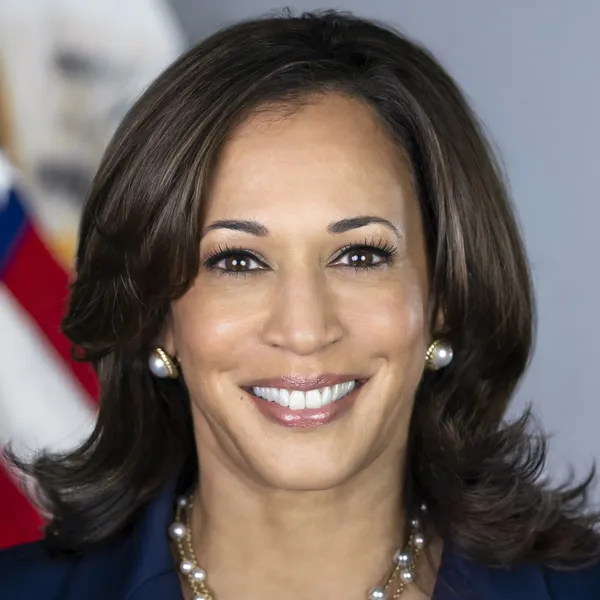
Former Vice President Kamala Harris has praised community efforts in Minneapolis to monitor and publicize immigration enforcement activity, describing the city’s pushback as “a beautiful example” for the nation. Harris made the remarks Wednesday night, Feb. 11, during a book-tour appearance at the Macon City Auditorium in Georgia, where she described neighbors using whistles and phone video to warn others and document activity in their neighborhoods.
The comments landed amid a rapid shift in federal posture in Minnesota. On Thursday, Feb. 12, the Trump administration announced that it is ending a major immigration enforcement surge in the Minneapolis–St. Paul area known as “Operation Metro Surge,” following sustained public backlash and rising political pressure from state and local officials.
Operation Metro Surge and the escalation of local tensions
The enforcement surge began Dec. 1 and brought a large federal presence into the Twin Cities region. Federal officials have said the operation produced more than 4,000 arrests, while critics have challenged the lack of comprehensive public data describing who was detained and on what basis. The deployment triggered weeks of demonstrations, legal scrutiny, and heightened concern among residents and advocacy groups about the scope of street-level operations.
As the enforcement effort expanded, Minneapolis saw the growth of informal community networks that tracked federal vehicles, shared real-time alerts, and filmed encounters. Harris referenced those tactics in her Georgia remarks, portraying them as neighbor-to-neighbor protection and documentation.
Deaths, arrests, and official responses
The crackdown was further inflamed by two fatal shootings involving federal agents. Renée Nicole Good, a 37-year-old U.S. citizen and mother of three, was shot and killed in south Minneapolis on Jan. 7 during an encounter linked to the enforcement activity. Alex Pretti, also described as a U.S. citizen, was later killed during a separate confrontation with federal officers as tensions around street operations grew.
On Feb. 7, the one-month anniversary of Good’s death, several dozen protesters were arrested outside the Bishop Henry Whipple Federal Building in downtown Minneapolis after authorities declared a demonstration unlawful. Officials reported that objects were thrown during clashes, while separate gatherings in the city included memorial and spiritual observances.
Federal drawdown and continuing disputes
Administration officials said the surge is being wound down and that officers have already begun withdrawing. Tom Homan, serving as the administration’s top immigration enforcement adviser, met with Minnesota Gov. Tim Walz, Minneapolis Mayor Jacob Frey, and Minnesota Attorney General Keith Ellison as the drawdown was announced. Border Patrol commander Gregory Bovino was reassigned as part of the federal response.
Even as the surge ends in Minnesota, federal officials have emphasized that broader nationwide immigration enforcement will continue. Minnesota leaders and civil rights advocates have continued to call for transparency about arrest totals and practices, and for accountability reviews tied to the deadly incidents and allegations of overly broad detentions.
- Feb. 11: Harris praises Minneapolis community resistance tactics during Georgia book event.
- Feb. 12: Federal officials announce the end of Operation Metro Surge in Minnesota.
- Feb. 7: Protest at Whipple Federal Building leads to dozens of arrests on anniversary of Good’s death.
“In Minnesota, in what we’ve been seeing in Minneapolis, is such a beautiful example,” Harris said, describing whistle alerts and phone video used to warn neighbors.