Lake Street taco shops face steep downturn as immigration enforcement surge keeps workers and customers away
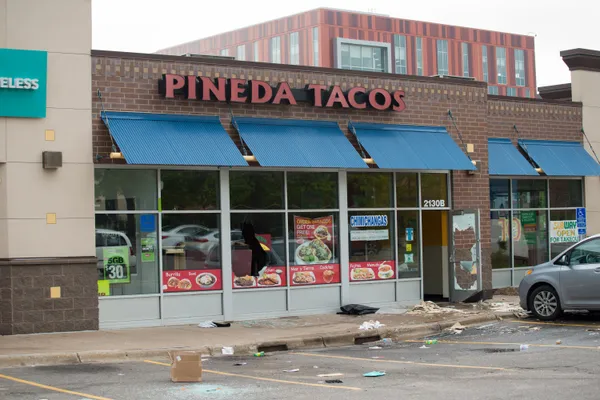
A longtime immigrant business corridor is confronting a sudden drop in foot traffic
Taco shops and other small food businesses along East Lake Street are reporting sharp declines in customers as intensified federal immigration enforcement activity in the Twin Cities changes daily routines for workers and patrons. Owners and local business groups describe a neighborhood economy where normal lunch and dinner rushes have thinned, storefronts have reduced hours, and some vendors have closed temporarily because staff and customers are staying home.
The disruption is concentrated on Lake Street—an area anchored by Latino-owned restaurants, groceries and indoor markets—and is also being felt across other immigrant commercial centers in Minneapolis and St. Paul. Business advocates say the downturn is driven less by changes in consumer demand than by fear of encounters with federal agents in public spaces, including near transit stops and parking lots.
What the enforcement operation is, and what officials say it has produced
The current wave of activity is tied to a large federal operation in Minnesota that has involved a significant deployment of immigration enforcement personnel. Federal officials have said the campaign has resulted in thousands of arrests of people alleged to be in the country unlawfully. State leaders and local officials, however, have challenged the scale and tactics of the operation and raised concerns about detentions, crowd-control measures during protests, and the impact on residents who are not enforcement targets.
Minnesota’s attorney general filed a lawsuit on Jan. 12, 2026, seeking to halt or limit aspects of the enforcement campaign. Federal attorneys have urged a judge to dismiss the case, arguing immigration enforcement is a federal responsibility. The litigation is ongoing.
How taco shops and markets are adapting day-to-day
Along Lake Street, businesses that rely on walk-in sales—taco counters, taquerias, bakeries and food stalls—have reported revenue losses ranging from major declines to near-total drops on some days. Some operators have pivoted toward delivery and pickup, while others have restricted entry, shortened hours, or paused dine-in service.
Business groups tracking conditions along the corridor say the economic impact has been compounded by the loss of workers who are either avoiding public travel or have been detained, creating staffing gaps that force closures even when businesses want to remain open.
- Reduced foot traffic at indoor marketplaces and strip-mall plazas with multiple food vendors
- Temporary closures tied to labor shortages and reduced customer turnout
- Expanded delivery and phone-order systems to reach customers reluctant to travel
Community safety, protests, and a tense legal and political backdrop
The economic strain on Lake Street is unfolding alongside heightened public protest activity and scrutiny of federal enforcement tactics. The situation intensified after the Jan. 7, 2026, fatal shooting of Renée Good during an encounter involving an immigration officer, an event that has fueled demonstrations and sharpened debate over how enforcement is being carried out.
For many Lake Street operators, the core challenge is continuity: keeping doors open, meeting rent and payroll, and maintaining a workforce while customers and employees weigh the risks of everyday errands.
In the near term, owners say stability hinges on whether public activity returns to normal levels and whether the enforcement presence eases enough for workers and customers to resume routines without fear of being stopped.