Minneapolis businesses report about $100 million in lost sales amid intensified federal immigration enforcement actions
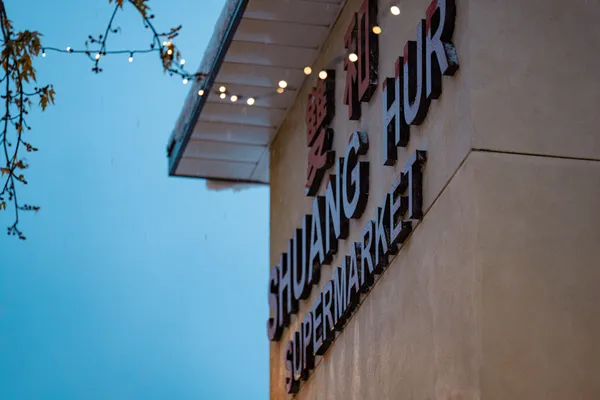
Revenue losses mount as foot traffic and staffing decline
Minneapolis business corridors that rely heavily on immigrant customers and workers are reporting steep revenue declines tied to intensified federal immigration enforcement activity that began in December 2025. City economic development officials have estimated weekly losses of roughly $10 million to $20 million in customer-facing sales, a range derived from business surveys, direct outreach with owners, and input from community organizations.
At that pace, losses could reach about $100 million over a multi-week period, depending on duration and severity of the disruption. City officials say the downturn is not limited to one neighborhood or sector, citing effects on restaurants, groceries, retail shops, and service providers across Minneapolis.
How officials say the estimates were produced
The city’s Community Planning and Economic Development department has described a methodology that combines survey responses with industry-level assumptions about typical weekly sales losses. For restaurants, bars, and cafes, the city has referenced an approach that multiplies an average estimated weekly shortfall per business by the approximate number of affected establishments, then compares the result to feedback gathered from business owners and community partners.
Officials have characterized the $10 million to $20 million range as a working estimate that may understate total losses, because it captures only part of the city’s business landscape and depends on voluntary reporting.
Business impacts: reduced hours, absenteeism, canceled bookings
Business operators and local economic groups report that fear of enforcement encounters has kept some residents from shopping, dining out, or attending events, including people with legal status. In parallel, staffing levels have been disrupted by absenteeism and scheduling instability, forcing some establishments to reduce hours, limit capacity, or temporarily close.
Tourism- and event-adjacent businesses have also reported disruptions, including postponed or reduced bookings and changes to operating plans tied to the broader climate of uncertainty.
- Reported revenue drops in affected corridors have ranged from significant declines to severe shortfalls in daily sales.
- Owners cite both lower customer volume and difficulty maintaining normal staffing as key drivers.
- Some businesses have added security-related costs or adjusted front-of-house procedures to manage perceived risk.
Broader economic and legal context
State and city leaders have tied the business downturn to the scale and visibility of the federal operation in the Twin Cities area. Minnesota’s attorney general and the cities of Minneapolis and Saint Paul filed a federal lawsuit in January 2026 seeking to halt the surge, arguing that the operation has caused substantial harms, including economic disruption for local businesses. A request for a preliminary injunction was denied in late January after a court hearing, though officials continued to cite significant community impacts.
Local officials say the economic effects are being felt first and most sharply in immigrant-serving commercial corridors, with spillover into the wider city economy as spending and routine activity decline.
What remains uncertain
Key variables include how long elevated enforcement activity continues, whether customer behavior rebounds, and how quickly staffing and supply patterns normalize. City officials say they expect updated estimates as more survey responses and business data are collected.