Minneapolis Children Confront Fear and Disrupted Schooling as ICE Enforcement Actions Separate Twin Cities Families
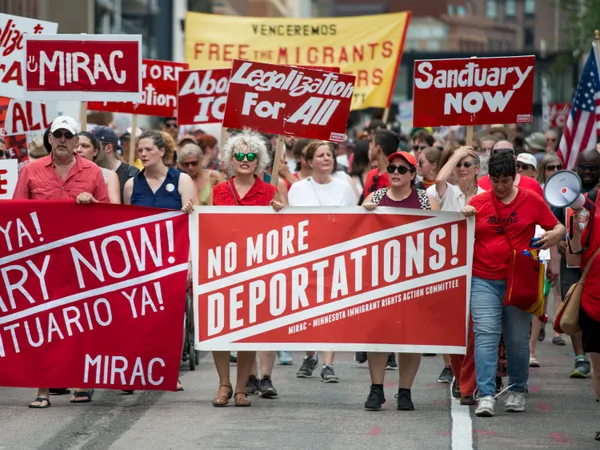
Heightened enforcement reshapes daily life for some Minneapolis-area students
In Minneapolis and nearby school communities, a surge in federal immigration enforcement has pushed immigration fears into classrooms, playgrounds and living rooms, altering routines for families with mixed immigration status and for children who are U.S. citizens.
Across the Twin Cities, educators, pediatric health providers and community groups report that some children are struggling with anxiety tied to the possibility that a parent, relative or classmate could be detained. In some families, fear of encountering immigration agents has led to prolonged isolation at home and changes in how children get to school, attend class or participate in after-school activities.
Schools respond with remote learning option and safety planning
Minneapolis Public Schools announced a temporary remote learning option for families seeking an alternative to in-person attendance amid safety concerns. The one-month option is scheduled to run through February 12, 2026, with teachers simultaneously delivering instruction to students in classrooms and to students participating from home.
The district framed the step as a way to maintain student engagement and reduce attendance drops during a period when some families say they do not feel safe traveling to and from school. State education officials publicly supported inclusive planning, including attention to students with disabilities and English learners.
Detentions involving children intensify concerns
One focal point has been the detention of children connected to a school district north of Minneapolis. District leaders said that several students were detained in January, including a 5-year-old taken with his father after returning home from preschool and transported to a detention facility in Texas.
District officials described the incident as unfolding at the family’s home with school leaders present to support relatives. Federal officials disputed the district’s characterization of the encounter, stating that the father was the intended target and offering a different account of how the child came to remain with agents during the arrest. The conflicting narratives have become central to local criticism and amplified uncertainty among families about what can happen during an enforcement action.
Health providers describe stress-related impacts on children
Clinicians working with Minneapolis-area families say they are seeing stress manifest in age-specific ways: emotional outbursts, sleep problems, regression in developmental milestones and persistent questions about whether family members or friends will disappear from school without explanation.
Community members have also organized informal efforts near some schools—such as monitoring areas around bus stops—aimed at increasing a sense of safety for students and caregivers during arrivals and dismissals.
What remains uncertain
- How many local students will shift to remote learning through the February 12 end date, and whether attendance patterns stabilize afterward.
- Whether additional detentions involving school-aged children will occur in the Twin Cities area, and how districts will adjust operationally.
- How disputes over specific enforcement encounters will be resolved, including what documentation becomes public through litigation or formal investigations.
For many Minneapolis-area children, the immediate impact is not abstract policy but daily uncertainty: whether school will remain a safe, predictable place, and whether family members will be home at the end of the day.