Minneapolis continues daily life amid recurring gun violence, as officials weigh enforcement, prevention, and community trauma
A city moving forward while violence remains a constant topic
Across Minneapolis, daily routines continue—commutes, school drop-offs, business openings, and neighborhood events. Yet conversations about shootings and deaths remain a recurring backdrop, shaped by episodes of concentrated violence and by broader questions about public safety, policing, and community support.
In recent years, Minneapolis has experienced highly visible incidents that intensified public attention, including a May 30, 2024 mass shooting in the Whittier neighborhood that killed two civilians, a Minneapolis police officer, and the gunman, with additional people wounded. The case drew citywide scrutiny because it involved the killing of an officer responding to a call and multiple victims in a densely populated area.
Clusters of violence can reshape neighborhood confidence
Public fear tends to spike after multiple shootings occur close together. In 2025, a pair of shootings three blocks apart left four people dead and others critically wounded, and authorities described the incidents as connected and deliberate. Such clusters can quickly alter how residents evaluate risk—where they travel, how late they stay out, and whether they feel comfortable using public spaces.
Violence linked to homelessness has also been a flashpoint. In September 2025, two mass shootings at locations associated with homeless encampments injured more than a dozen people. The incidents amplified debate over how the city manages encampments, access to services, and enforcement actions when safety concerns rise.
Enforcement and prevention efforts are often debated simultaneously
City leaders have periodically pointed to short-term improvements in some crime categories. Early 2025 data released by the city showed declines in several major categories compared with the same period a year earlier, including fewer homicides, fewer robberies, and fewer aggravated assaults. Officials attributed changes to a mix of enforcement initiatives and partnerships intended to prevent retaliation and de-escalate conflicts.
At the same time, the Minneapolis Police Department’s staffing level has been a continuing operational issue. Public discussions have focused on whether staffing levels meaningfully drive homicide and violent-crime trends, and what role non-police interventions can play in reducing shootings.
Long-running civic strain remains part of the context
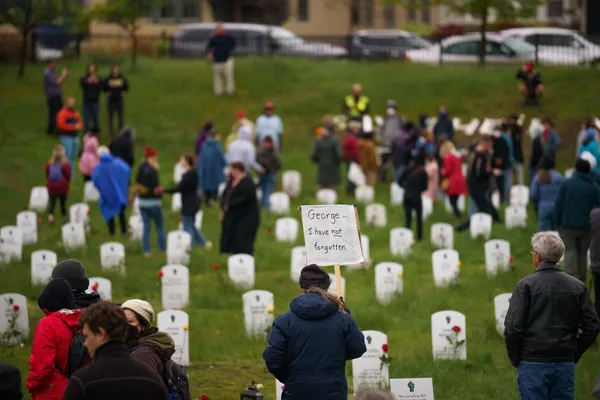
Minneapolis’ public safety debate cannot be separated from the aftermath of the 2020 murder of George Floyd and the years of unrest that followed across Minneapolis and Saint Paul. Those events reshaped civic expectations around accountability, public order, and the distribution of responsibilities between law enforcement, social services, and community-based programs.
- Residents describe uneven safety conditions between neighborhoods and even between adjacent blocks.
- City responses typically combine investigations, targeted patrol efforts, and violence-interruption strategies.
- Community impacts extend beyond crime counts, including trauma, disrupted routines, and reduced trust in institutions.
Minneapolis’ central challenge remains balancing immediate responses to shootings with longer-term strategies aimed at preventing violence and stabilizing neighborhoods.
As Minneapolis continues to carry on, the persistence of killings—whether as isolated incidents or concentrated bursts—keeps public safety at the center of civic life, forcing ongoing scrutiny of what works, what does not, and what support residents need between headlines.