Minneapolis dismantles anti-ICE street barricades, citing emergency access concerns, as residents rebuild checkpoints citywide
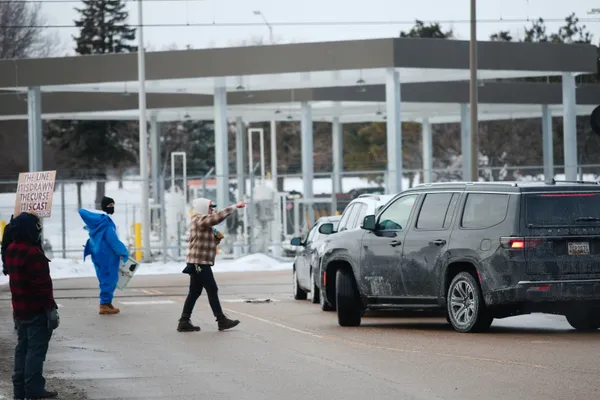
Street blockades return as city warns of risks to emergency response
Minneapolis officials are urging residents to stop building makeshift street barricades and vehicle checkpoints aimed at slowing or tracking federal immigration agents, saying the obstructions create safety hazards and can delay emergency response. Despite repeated removals by city crews and police, new barriers have continued to appear in multiple south Minneapolis locations.
The blockades have taken different forms, including piles of pallets and other debris placed in intersections, and informal “checkpoint” setups where residents stand in or near roadways and attempt to identify vehicles they suspect are connected to federal immigration enforcement. City officials have said streets must remain open for fire trucks, ambulances and police vehicles, and that blocking traffic is not permitted even during demonstrations.
Where barricades have been reported and how the city has responded
Recent barricade activity has been documented along Lyndale Avenue and around neighborhood roundabouts, including at Pillsbury Avenue and West 22nd Street. Another recurring barricade has been reported near East 35th Street and Bloomington Avenue, where removals were followed by quick rebuilding. City workers and police have dismantled multiple barricades over a short period, in some cases removing large objects and extinguishing fires used for warmth during gatherings.
Earlier in January, the city also removed barriers and significant debris from the area near East 34th Street and Portland Avenue, describing the work as necessary to restore emergency access following a shooting in that vicinity. City leadership has distinguished between memorials and street obstructions, stating that commemorative displays can remain while travel lanes must stay open.
Organizers frame efforts as community protection; officials cite legality and public safety
Residents participating in the blockades have described them as neighborhood-led efforts to protect immigrant communities and maintain awareness of enforcement activity. Some gatherings have operated like pop-up community events, with signs, food distribution and participants positioning themselves to slow traffic.
City communications have emphasized a parallel message: residents have the right to protest peacefully, but not to block streets or create conditions that impede emergency services. In public statements issued in early January, city leadership called for federal immigration enforcement to leave Minneapolis while also urging demonstrations to remain lawful and nonviolent.
Broader tension around immigration enforcement and local governance
The barricade removals are unfolding amid heightened tension over federal immigration enforcement in Minnesota and an increased local public-safety workload. Minneapolis and other government entities have taken legal action seeking to halt what they describe as an aggressive federal surge, while city officials have reported significant overtime costs tied to crowd control, traffic disruptions and related public-safety demands.
- City officials say blocked streets can delay response times for medical and fire emergencies.
- Residents involved say the barricades are intended to deter or monitor federal agent activity.
- Repeated removal-and-rebuild cycles have created an ongoing enforcement and compliance challenge.
City guidance has urged residents to keep streets open while continuing to use lawful avenues for public expression.
As of early February, Minneapolis continues clearing barricades when they appear, while some residents continue rebuilding them—setting up a recurring conflict between protest tactics and the city’s stated duty to maintain unobstructed public roadways.