Minneapolis’ Eat Street rallies behind local restaurants as citywide finances tighten and customer traffic falls
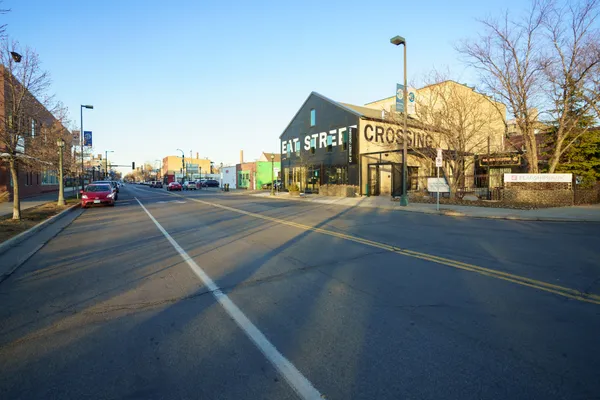
Community support grows as restaurants confront slower sales and rising operating pressures
On Minneapolis’ Nicollet Avenue corridor known as Eat Street, organizers and residents have been mobilizing to support restaurants as many operators report tightening margins and weaker customer traffic. The corridor’s mix of immigrant-owned and independent businesses has long made it a regional dining destination, but the current environment has elevated concerns about how long some establishments can sustain higher costs with inconsistent foot traffic.
Statewide indicators suggest the pressure is not limited to a single neighborhood. Industry surveys of Minnesota hospitality businesses in 2024 and 2025 found that roughly half of respondents reported worse customer traffic over key seasonal periods than the year before, alongside concerns about elevated prices, labor costs, and uncertainty in the months ahead. In a separate 2025 survey, nearly half of responding hospitality businesses described themselves as being in a weak financial position.
Construction adds another variable for corridor businesses
In addition to broader economic headwinds, portions of Nicollet Avenue are navigating major public works activity. The City of Minneapolis has an active reconstruction project for Nicollet Avenue from Lake Street to Cecil Newman Lane, including rebuilding the street, improving the bridge over the Midtown Greenway, and upgrading sidewalks, ADA ramps, and bicycle accommodations. City project information indicates roadway work is expected to continue into spring and summer 2026.
For restaurants that rely on walk-in traffic, delivery access, and convenient short trips, long construction timelines can create operational friction even when businesses remain open. Detours, reduced parking availability, and shifting pedestrian routes can affect how frequently customers visit and how easily staff and suppliers can reach storefronts.
Why the financial squeeze is being felt now
Local and statewide reporting over the past two years has documented a continuing pattern of Twin Cities restaurant closures and retoolings, reflecting how thin margins can become when labor, food, and occupancy costs rise faster than sales. Some operators have responded by changing service models, consolidating locations, or shifting concepts to reduce labor intensity and stabilize cash flow.
At the same time, public data and municipal licensing snapshots have shown year-to-year fluctuations in the number of active restaurant licenses and renewals in Minneapolis, which analysts and industry stakeholders sometimes use as one signal—among many—of business turnover and closures.
How community-led efforts typically help restaurants weather downturns
Coordinated “dine-out” days and neighborhood campaigns intended to concentrate demand on slower nights.
Gift card drives and pre-paid dining promotions that provide immediate cash flow while customers redeem later.
Shared marketing and corridor-wide event programming that helps visitors rediscover multiple businesses in one trip.
In restaurant downturns, short-term traffic gains and predictable weeks of sales can matter as much as long-term brand awareness.
For Eat Street, the near-term outlook hinges on whether customer traffic rebounds, cost pressures ease, and corridor access stabilizes during the ongoing Nicollet Avenue work. Community-driven efforts may not replace lost demand on their own, but they can help narrow the gap for small operators while broader conditions evolve.