Minneapolis hospitality workers remain cautious as ICE signals tactical shift and possible drawdown of federal agents
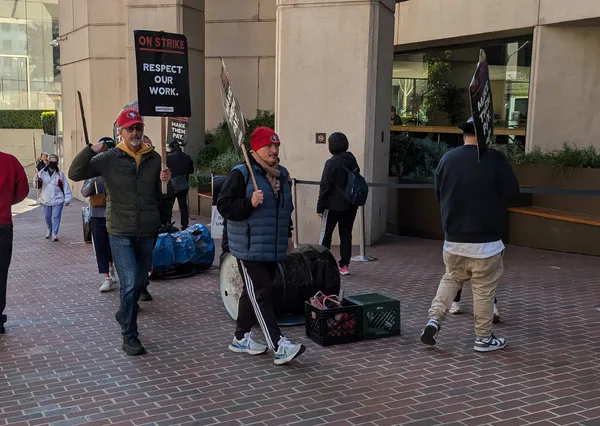
Workers report ongoing fear despite stated enforcement adjustments
Union leaders representing hotel, restaurant and airport workers in the Twin Cities say many employees continue to limit their public visibility and avoid routine activities, even after federal officials signaled that immigration enforcement operations in Minnesota may become less confrontational and more narrowly focused.
The situation unfolds amid an intensified federal presence tied to “Operation Metro Surge,” a Department of Homeland Security-led deployment that began in December 2025 and has involved immigration and border agencies operating across the Minneapolis–St. Paul region. Federal leadership has described a potential shift toward “targeted operations,” emphasizing people with criminal charges or convictions, while also maintaining that agents may arrest individuals without convictions if encountered during enforcement activity.
Union says workers staying home, seeking emergency assistance
UNITE HERE Local 17, which represents thousands of hospitality workers across Minneapolis, St. Paul and surrounding suburbs, says fear has affected employees regardless of immigration status. The union reports that roughly 200 members have been avoiding public places and that it has provided direct support including food and help with rent and utilities. Local union leadership has said members remain concerned about encounters with federal agents both at work sites and in public spaces.
Hospitality employment in the region includes a substantial number of immigrant workers, reflecting a broader national pattern in the industry. Union officials say the climate of uncertainty has also altered workplace practices, with some workers reporting heightened concern about entering guest rooms and other job duties that could put them in proximity to visiting federal personnel.
Arrest at suburban hotel highlights trust concerns
A recent federal court filing describes an incident on Jan. 19 in which a worker at the Hilton Homewood Suites in St. Louis Park was arrested by immigration agents staying at the hotel. The filing states the worker, identified as a Nicaraguan refugee with a valid work permit and a pending application for permanent residency, was taken into custody after assurances he would not be detained if he reported to work. The filing says he was transferred to a detention facility in El Paso, Texas.
Economic impacts reported as staffing disruptions persist
City economic officials have estimated significant weekly revenue losses for Minneapolis businesses amid reduced consumer activity and operational disruption. A local business survey conducted in January by the city’s destination marketing organization found that many businesses reported fear or stress affecting operations, with widespread reports of staff absences.
Federal-state conflict continues in courts and public briefings
State and city leaders filed suit in January seeking to halt the federal surge, arguing it has strained local resources and disrupted civic life. A federal judge later declined to grant the requested relief. Meanwhile, federal leadership has said any drawdown of the roughly 3,000 officers previously referenced in public reporting would depend on local “cooperation,” including access to jails for transfers connected to immigration enforcement.
- Operation Metro Surge began in December 2025 and has centered on the Twin Cities area.
- Union officials report ongoing fear and reduced worker mobility, alongside direct assistance to affected members.
- City economic estimates and business surveys indicate meaningful revenue declines and staffing disruptions.
In public remarks, federal leadership has framed the next phase as more targeted, while local leaders and unions continue to press for accountability measures and a clearer reduction of enforcement activity.