Minneapolis Mayor Frey demands ICE leave city, urges peaceful protests after fatal federal shooting incident
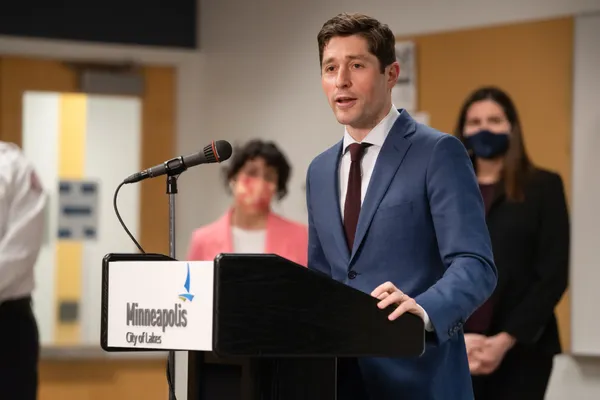
Mayor calls for de-escalation while renewing demand for ICE to exit Minneapolis
Minneapolis Mayor Jacob Frey has publicly called for “peace and order” amid large demonstrations tied to heightened federal immigration enforcement activity in the Twin Cities and the recent fatal shooting of a Minneapolis resident during a federal operation.
In a Jan. 7, 2026 city statement issued after the shooting near 34th Street and Portland Avenue, Frey said federal immigration enforcement activity was “causing chaos” and making the community “less safe,” and demanded that U.S. Immigration and Customs Enforcement leave Minneapolis and Minnesota. The statement also included a detailed warning that unlawful activity during protests would not be tolerated, while affirming the right to peaceful demonstration.
What the city is emphasizing about protest boundaries
City messaging has drawn a clear line between constitutionally protected protest and actions that could trigger arrests. Minneapolis has urged demonstrators to remain lawful and avoid escalating confrontations that could endanger residents, protesters, and first responders.
- Peaceful demonstrations are permitted in public spaces, including sidewalks, with signs and chanting.
- Actions such as blocking streets or freeways, throwing objects, entering private property without permission, or using weapons or fireworks are identified as unlawful and subject to enforcement.
City policies limit local participation in civil immigration enforcement
Minneapolis’ posture toward federal immigration enforcement is shaped by long-standing local policy separating city services from federal civil immigration work. Under the city’s Separation Ordinance framework, municipal employees—including police and firefighters—do not enforce federal civil immigration laws and generally do not ask residents about immigration status unless required by law.
In early December 2025, Frey also signed an executive order barring the use of city-owned parking lots, ramps, garages and certain vacant lots as staging areas for civil immigration enforcement operations. The order directs departments to post signage and report violations.
Federal activity and legal scrutiny intensify
The public debate has escalated alongside broader federal actions and court intervention. In mid-January, a federal judge in Minneapolis issued a temporary order restricting Department of Homeland Security agents from arresting peaceful protesters unless they are suspected of criminal conduct or obstructing agents, citing allegations of retaliatory arrests and tactics that could chill First Amendment activity.
The city has repeatedly framed its approach as protecting public safety while defending the right to peaceful protest and reiterating opposition to local participation in civil immigration enforcement.
What comes next
With protests continuing and scrutiny focused on both federal enforcement tactics and crowd-control responses, city leaders have indicated they are preparing for possible additional federal deployments while urging residents to remain calm and law-abiding. The evolving situation is expected to hinge on pending investigations, court proceedings, and the on-the-ground posture of federal and local agencies in the days ahead.