Minneapolis Police Chief Brian O’Hara details strained resources and investigation barriers after federal shooting
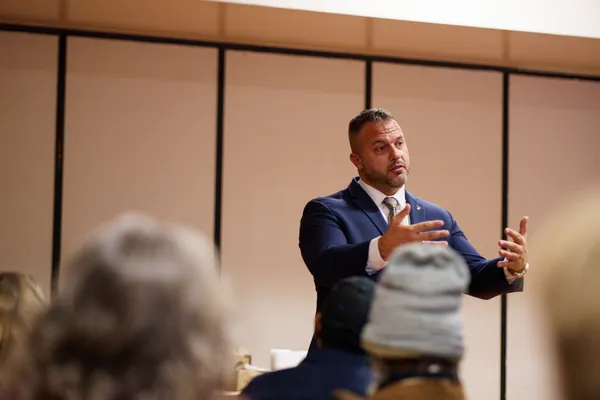
What the police chief said on national television
Minneapolis Police Chief Brian O’Hara used a national television interview Sunday, Jan. 25, to describe a city facing overlapping public-safety demands: mass protests tied to federal immigration enforcement, a limited local police workforce, and an unresolved investigation into the fatal shooting of a Minneapolis resident by federal agents the day before.
O’Hara said Minneapolis has about 600 police officers available to cover routine calls while also responding to large and fast-moving protest activity. He said the department has relied on emergency recall, mutual aid from surrounding agencies, and a request for National Guard support during spikes in unrest, but that those measures were temporary and have been scaled back.
Shooting investigation and access to evidence
The interview focused heavily on the death of Alex Pretti, 37, who was shot on Saturday, Jan. 24, during a confrontation involving federal immigration officers. O’Hara said Minneapolis police officers who initially arrived at the scene were not provided basic information typically shared in law-enforcement-involved shootings to help determine whether other victims or ongoing threats existed.
He said the Minnesota Bureau of Criminal Apprehension, the state agency that investigates use-of-force incidents, attempted to begin its work on Saturday but was blocked from entering the scene. O’Hara said the agency returned later and began canvassing for witnesses and evidence, but he raised concerns that the scene may have been compromised before investigators were allowed access.
Disputed accounts and questions about firearms
Federal officials have publicly asserted that Pretti was armed. O’Hara said Pretti was a lawful gun owner with a permit to carry and that, based on what he said local officials had seen, there was no evidence indicating the firearm was brandished. He said the key legal question is whether a weapon was used for an unlawful purpose, not whether a person lawfully possessed it.
O’Hara also said he could not confirm federal claims about additional ammunition or multiple magazines at the scene, citing a lack of information being shared with local and state authorities.
Claims about “standing down” and sanctuary policies
Asked about assertions that local police were told to stand down when federal immigration authorities requested assistance, O’Hara said Minneapolis officers respond whenever there is a threat to life, public safety, or property damage, regardless of whether federal agents or community members are involved.
He rejected the idea that city policy is the driver of the current confrontations, saying local practices and legal constraints have existed for decades and noting that Minneapolis police do not operate a jail, which he described as a county responsibility.
- O’Hara said roughly a dozen Minneapolis officers have been injured during protest responses.
- He said the scale of federal presence in the city far exceeds local staffing.
- He said the core issue is the manner and tactics of federal enforcement operations, which he described as unsafe.
The chief repeatedly framed the situation as unsustainable, pointing to repeated shootings in a short time span, high operational tempo, and unresolved disputes over access to investigative information.