Minneapolis Police Manage Fallout From Federal ICE Sweep, Amid Renewed Scrutiny After Two Fatal Shootings
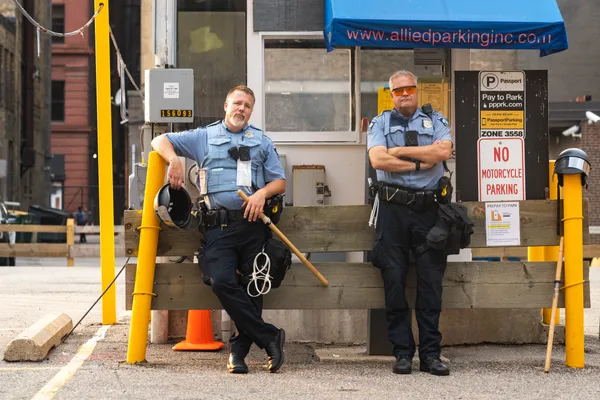
Federal immigration activity triggers local public-safety response
Minneapolis officials and community leaders are navigating heightened tensions after a major federal immigration enforcement push in Minnesota, an operation that has produced street-level confrontations, large public gatherings and renewed scrutiny of law enforcement roles. The federal deployment—widely referred to as “Operation Metro Surge”—has involved Immigration and Customs Enforcement and other Department of Homeland Security components operating across the Twin Cities and elsewhere in the state.
City and state leaders have argued that the scale and tactics of the federal effort have created immediate public-safety pressures, forcing local agencies to respond to crowd control, traffic management, and emergency calls linked to federal actions and the community reaction to them.
Two deaths intensify pressure on authorities and deepen community alarm
The latest flashpoint came after the killing of Alex Pretti, 37, an intensive care nurse who worked at the Minneapolis Veterans Affairs health system, during an encounter involving federal officers in Minneapolis on January 24, 2026. Public accounts and circulating videos have fueled debate about what precipitated the shooting, including whether Pretti posed a threat and how federal officers used force in a rapidly escalating confrontation.
Pretti’s death followed the January 7, 2026, fatal shooting of Renée Good during a separate encounter tied to the same federal immigration push. The two killings, occurring weeks apart, have intensified public demonstrations and sharpened demands for clarity about federal use-of-force decisions and the oversight mechanisms available when federal officers act in city neighborhoods.
Minneapolis Police emphasize local control of peacekeeping
In the wake of the most recent shooting, Minneapolis Police leadership adopted crowd-management measures aimed at preventing further escalation. Police maintained a visible posture around key locations, managed street closures in areas where gatherings developed, and sought to separate federal actions from local public-safety responsibilities.
City leaders have also highlighted the strain on local resources. Minneapolis began tracking overtime connected to increased public-safety needs tied to the federal operation starting January 7, and early estimates described thousands of overtime hours within days, with costs projected in the millions for a single multi-day period in early January.
Legal fight and political response move alongside on-the-street tensions
Minnesota’s attorney general, joined by Minneapolis and Saint Paul, filed a federal lawsuit in mid-January seeking to halt the expanded federal deployment and to challenge what the plaintiffs describe as unlawful enforcement practices. The filing seeks court intervention to stop the operation and restrict tactics that state and local officials say have harmed residents and disrupted schools, businesses and essential services.
As the litigation proceeds, community organizations have continued to organize rapid-response networks and public demonstrations, while city officials have repeatedly urged residents to keep protests peaceful.
- Key dates: January 7, 2026 (Renée Good killed); January 12, 2026 (state and city lawsuit filed); January 24, 2026 (Alex Pretti killed).
- Core unresolved issues: federal use-of-force accountability, coordination boundaries between federal and local agencies, and the local costs of policing public reaction to federal actions.
The central question facing Minneapolis now is how local officials can protect public safety and civil liberties while federal enforcement actions continue to drive unrest and fear in affected neighborhoods.