Minneapolis Police Staffing Lawsuit Revives Debate Over City Charter Mandate, Hiring Pace, and Public Safety Coverage
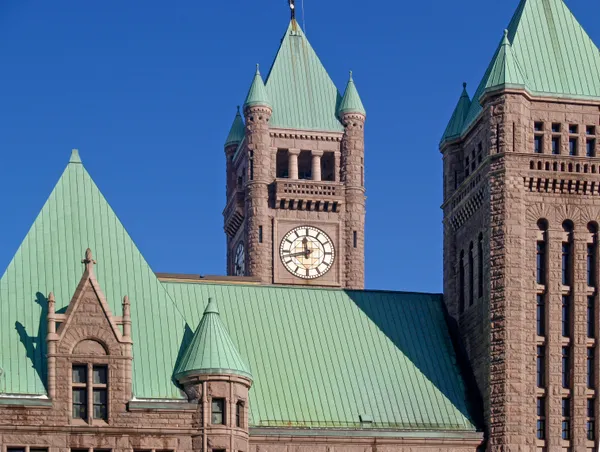
A long-running legal dispute over minimum police staffing continues to shape Minneapolis’ public-safety planning
A lawsuit centered on Minneapolis’ police staffing levels has returned to the foreground as city leaders balance a charter-based minimum staffing requirement with ongoing recruitment and retention challenges. The case history traces back to a 2020 petition filed by north Minneapolis residents seeking a court order requiring the city to meet a minimum sworn-officer ratio set out in the Minneapolis City Charter.
In August 2022, the Minnesota Supreme Court issued a key ruling interpreting the charter’s staffing language. The court held the Minneapolis mayor has a clear legal duty to employ at least 0.0017 sworn police officers per resident, a ratio that—based on 2020 Census figures discussed in the litigation—equated to 731 sworn officers. In the same decision, the court concluded the City Council was meeting its uncontested duty to fund at least that minimum number of officers, distinguishing funding obligations from day-to-day employment levels.
What the staffing mandate does—and does not—require
The litigation has repeatedly turned on the narrow legal tool used by plaintiffs: a writ of mandamus, which is available only when a government actor fails to perform a duty clearly imposed by law. Court filings in other, later Hennepin County matters have emphasized that Minnesota law generally does not recognize an enforceable right to a particular degree of police service or a guarantee of specific police responses in individual circumstances. Those rulings have treated police deployment choices—how officers are assigned, where patrols are emphasized, and how emergencies are prioritized—as discretionary decisions generally shielded from judicial compulsion.
That distinction matters because Minneapolis’ public-safety pressures have not been limited to headline staffing counts. Public reporting in recent years has documented historically low staffing levels, heavy overtime use, and competing demands that can draw officers away from routine calls.
Staffing pressures and overtime in a constrained environment
City officials have described the department’s staffing decline as a multi-year problem following 2020. By early 2024, city data cited in public reporting showed roughly 560 officers on the rolls, with leadership describing it as the lowest staffing level in over four decades. More recently, a surge in major events and large-scale deployments has been accompanied by significant overtime spending, highlighting the operational strain that can occur when staffing remains below charter targets.
- The charter’s minimum staffing ratio is a legal benchmark that focuses on employment levels and funding obligations, not a guarantee of specific police services.
- Courts have treated many public-safety decisions—such as deployment and prioritization—as discretionary and generally not subject to mandamus enforcement absent a clearly defined duty.
- Even as hiring efforts continue, the gap between authorized staffing, funded positions, and actual staffed officers has remained a central issue for city operations.
Key legal takeaway from the Supreme Court’s interpretation: the mayor’s duty is tied to employing the charter minimum, while the council’s duty focuses on funding the minimum level.
The ongoing dispute underscores how Minneapolis’ charter language can function as more than a policy preference: it creates enforceable duties in limited circumstances. At the same time, the surrounding court record shows the limits of judicial remedies when claims move from minimum staffing requirements to broader concerns about how public safety is delivered on the ground.