Minneapolis protests intensify amid ongoing ICE operations, National Guard readiness, and debate over potential federal troop deployment
Street confrontations follow weeks of immigration enforcement activity
Minneapolis saw renewed street clashes in recent days as demonstrations continued in response to an expanded federal immigration enforcement presence in the Twin Cities region. The protests have drawn large crowds and have generally included organized marches, vigils and community monitoring of enforcement activity, alongside episodic confrontations that have prompted heightened law-enforcement readiness across the metro.
The unrest has unfolded against a backdrop of “Operation Metro Surge,” a federal effort that brought thousands of immigration and border-enforcement personnel into Minnesota. Local and state leaders have publicly urged calm while disputing the scope and legality of some federal tactics, setting up a widening conflict between municipal and state officials and federal agencies over public safety and civil liberties.
Fatal shooting on Jan. 7 remains a catalyst
The current protest wave accelerated after the Jan. 7, 2026, fatal shooting of Renée Good, a Minneapolis resident and U.S. citizen, during an encounter involving an immigration enforcement officer. Video of the incident circulated widely and became a focal point for calls for accountability and for demands that federal operations be curtailed or halted.
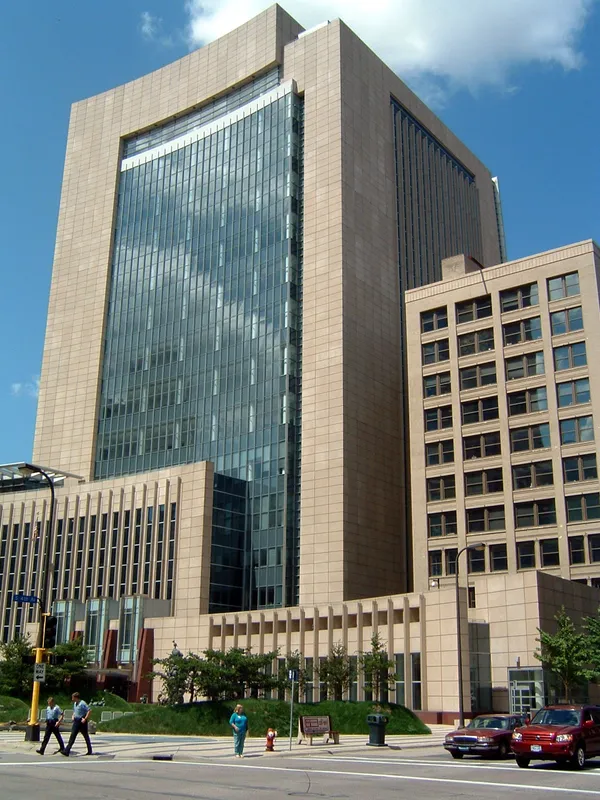
In the days since, demonstrations have occurred at multiple locations, including around federal facilities, and have expanded to include labor and community groups that say the enforcement posture has created unsafe conditions for residents and workers.
National Guard staged; active-duty troops placed on standby
Minnesota officials have taken steps to prepare for potential disorder while emphasizing that an expanded military footprint could intensify tensions. Gov. Tim Walz placed the Minnesota National Guard on standby and authorized staging and readiness measures to support public safety and protect critical infrastructure if requested by civil authorities.
At the federal level, the Department of Defense placed approximately 1,500 active-duty soldiers on standby for a potential Minnesota deployment. Federal officials framed the move as contingency planning tied to the protection of federal personnel and property. The possibility of invoking the Insurrection Act has been raised publicly by federal leaders, though such authority carries significant legal and political implications and is not automatic in domestic disturbances.
Lawsuits and court scrutiny intensify alongside street protests
Parallel to the street demonstrations, legal challenges have escalated. A class-action lawsuit filed in mid-January seeks to stop what plaintiffs describe as suspicionless stops, warrantless arrests and racial profiling involving immigration and border-enforcement personnel. Separately, Minnesota’s attorney general, joined by Minneapolis and Saint Paul, filed suit seeking to limit federal actions they allege include force against peaceful observers and activity in sensitive locations such as schools, churches and hospitals.
Key points shaping the next phase
- Protests continue citywide, with both peaceful actions and intermittent clashes.
- State authorities have staged National Guard readiness measures, while active-duty troops remain on federal standby.
- Multiple lawsuits are now testing the legality of enforcement tactics, including allegations of racial profiling and unlawful detentions.
- The Jan. 7 shooting remains central to public outrage and the pace of mobilization.
As demonstrations persist, the central unresolved questions remain how long the federal operation will continue, what limits courts may impose on enforcement conduct, and whether additional deployments—state or federal—will change conditions on the streets.