Minneapolis resident builds neighborhood camera network to monitor ICE activity during heightened federal immigration enforcement
A growing, resident-run surveillance network
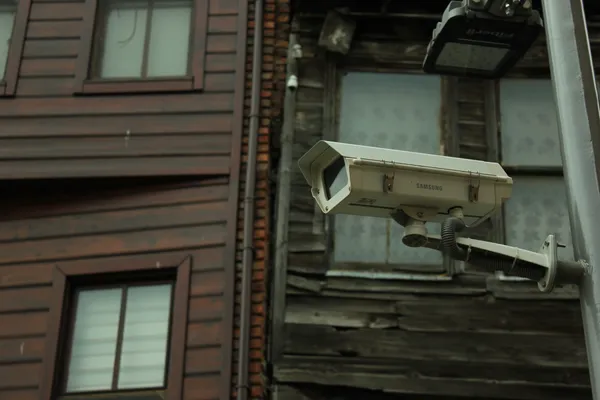
A south Minneapolis resident has built a neighborhood-based camera network designed to monitor Immigration and Customs Enforcement activity in public spaces, using privately owned cameras installed on willing neighbors’ homes. The project emerged after a large federal immigration presence arrived in Minneapolis in late 2025, prompting residents to look for new ways to document detentions and quickly alert others in the area.
The organizer, Garrett Guntly, began by placing a camera on his own property aimed at a public bus stop across the street. In early January 2026, the camera recorded immigration agents detaining a man at the stop. In the weeks that followed, Guntly expanded the system to more than 20 cameras mounted on neighbors’ houses, positioned toward sidewalks, intersections, transit stops and other public-facing areas where detentions might occur.
How the system operates
The network is structured to limit access to participating households. Only residents who host cameras can view live feeds, and Guntly has said he meets with participants in person before installing equipment. The video is stored locally rather than uploaded to cloud services, with recording hardware kept at his home. Cameras are aimed at public areas, not into private residences.
The network is also tied to rapid-response communications among residents. When observers spot enforcement vehicles or agents stopping people, neighbors share updates to help others avoid the area and, in some cases, arrive as witnesses. Guntly has said the group has used the system to disrupt approximately a dozen detentions, though independent verification of that count is not available.
- Equipment is installed on private homes but directed at public spaces.
- Access is limited to residents who host cameras.
- Footage is stored locally rather than in cloud accounts.
Wider tensions around enforcement and public oversight
The effort is developing amid heightened scrutiny of federal immigration operations in Minnesota. In recent weeks, separate incidents have intensified public debate about the conduct of immigration enforcement, including allegations of excessive force during an arrest in St. Paul in January 2026 that resulted in severe head injuries to a detained man. Elected officials have called for accountability and investigation, while federal agencies have faced questions about transparency and the use of force.
Those tensions have also coincided with more visible local organizing, ranging from street-level observation networks to mutual-aid efforts for families affected by arrests. In that context, resident-operated surveillance has become one additional tool for documentation and rapid notification, raising practical questions about privacy, data control, and how communities decide when—and whether—to share footage with authorities.
The project’s stated rules focus on limiting who can watch live feeds and keeping storage local, while aiming cameras only at public areas.
What comes next
Guntly has described the system as something that could persist beyond the current enforcement surge, evolving into a community-run monitoring network. For now, its impact rests on participation levels, the reliability of resident reporting, and how neighbors govern access to video and decisions about any future release of footage.