Minneapolis triathlete Kate Varns returns to competition after 2024 stroke, using adaptive equipment at Lake Nokomis
A return to racing after a medical crisis
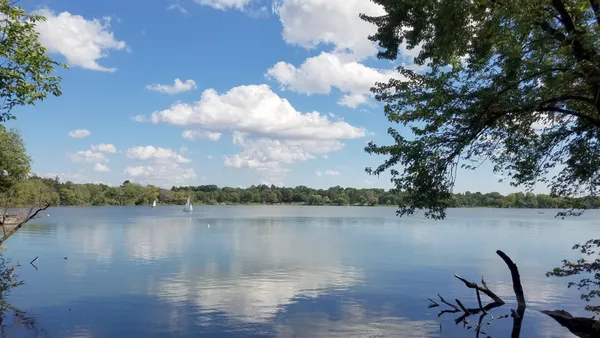
Kate Varns, a North Minneapolis endurance athlete and Ironman finisher, returned to triathlon competition in 2025 after a stroke in May 2024 disrupted her ability to train and carry out daily routines. The comeback culminated at the YWCA Minneapolis Women’s Triathlon at Lake Nokomis, where she completed the event using adaptive approaches that reflected lasting physical impacts from the stroke.
In the years before the stroke, Varns built experience across triathlon distances and completed an Ironman in 2018, a milestone that requires finishing a 2.4-mile swim, 112-mile bike ride and 26.2-mile run under time limits. After the stroke, her recovery became the defining athletic challenge: rebuilding swimming mechanics, managing mobility limitations, and adapting to changes in vision and cognition described in race-related coverage and event accounts.
How adaptive participation changed her race day
At the 2025 YWCA Minneapolis Women’s Triathlon, organizers and participants described Varns’ entry as a para-athlete effort shaped by new equipment choices and teamwork. She completed the bike segment on a tandem bicycle with her husband, Glen, and approached the swim and run with modified techniques aligned with her post-stroke abilities.
- Stroke occurred in May 2024, followed by rehabilitation and training adjustments.
- Returned to the YWCA Minneapolis Women’s Triathlon in August 2025 at Lake Nokomis.
- Used a tandem bicycle for the cycling leg, paired with her husband.
- Raced with adaptations to her swim stroke and mobility needs.
An event built around access and participation
The YWCA Minneapolis Women’s Triathlon has positioned itself as a large, participation-focused event with built-in support for a range of experience levels. In 2025, the race drew 1,074 individual participants and 13 relay teams, with athletes ranging in age from 11 to 83. Event materials also highlight accommodations for adaptive athletes and an organizing approach that emphasizes training support and race-day accessibility.
Varns’ 2025 finish at Lake Nokomis was treated by organizers as an example of how adaptive participation can broaden the definition of who gets to compete—and what returning to sport can look like after a life-altering health event.
What comes next
The next YWCA Minneapolis Women’s Triathlon is scheduled for Sunday, Aug. 9, 2026, again at Lake Nokomis. For Varns and athletes in similar circumstances, the 2025 race underscored a central reality of post-stroke sport: returning to the start line can depend as much on individualized adaptations and community logistics as on traditional training volume.