Minneapolis weighs rules for streetside memorials after January shootings of Renee Good and Alex Pretti
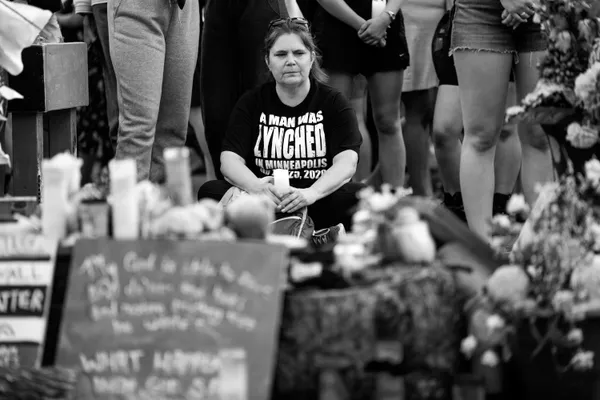
City faces public-safety, right-of-way and community-grief questions as memorials grow at two shooting sites
Minneapolis leaders are weighing what comes next for two streetside memorials that formed in January after federal officers fatally shot two U.S. citizens, Renee Good and Alex Pretti. The memorials—built from flowers, candles, artwork, photographs and handwritten messages—have drawn regular visitors, vigils and performances, while also affecting traffic flow and access in the surrounding blocks.
Good was killed on Jan. 7. Pretti was killed on Jan. 24 near the commercial corridor widely known as “Eat Street.” In both locations, mourners and volunteers have maintained the memorials daily, turning portions of the public right-of-way into gathering places for remembrance.
City officials say immediate steps taken around the sites have focused on keeping visitors safe and maintaining access for emergency vehicles. At the location of Good’s memorial, the residential street has remained open, with cones narrowing space for people to pass between the sidewalk and the roadway. Around Pretti’s memorial, traffic lanes have been temporarily shifted and parking has been restricted as people continue to visit.
From spontaneous memorials to long-term decisions
The question Minneapolis now faces is whether these temporary installations should remain, change form, or eventually be removed—decisions that can involve transportation safety, permitting, and the long-term use of city property.
Minneapolis generally requires permits for placing or maintaining items in the city-owned right-of-way. While the memorials are community-built and not commercial, they occupy space that is typically regulated for encroachments and other uses. That reality adds a practical layer to what has become a high-profile civic discussion: how to respect mourning and expression while managing public infrastructure.
- How long should items remain in active travel corridors or boulevards?
- What standards should apply for accessibility and emergency access?
- Who maintains or monitors sites as they grow and change?
- What process, if any, can move a site from informal memorial to designated public space?
Context: a city still navigating memorial space
The debate unfolds less than a mile from George Floyd Square, where Minneapolis has spent years working through how to formalize a site that began as an immediate, community-driven response to Floyd’s murder in May 2020. A city-approved plan for George Perry Floyd Square was finalized in December 2025, with construction expected to begin in 2026.
That timeline has become part of the backdrop for current deliberations: Minneapolis is simultaneously moving toward a permanent redesign at one internationally recognized memorial site while confronting two new locations of public grief tied to fatal encounters with federal law enforcement.
City representatives have said the priority is to provide space for grieving and healing while protecting those who gather and keeping streets navigable for emergency response.
For now, officials have described the situation as an active planning process, with community engagement expected to shape next steps. No decision has been announced on whether either memorial will become permanent or how long the current installations will remain in place.