Minnesota punk pioneers Suicide Commandos schedule farewell First Avenue concert after five decades of intermittent shows
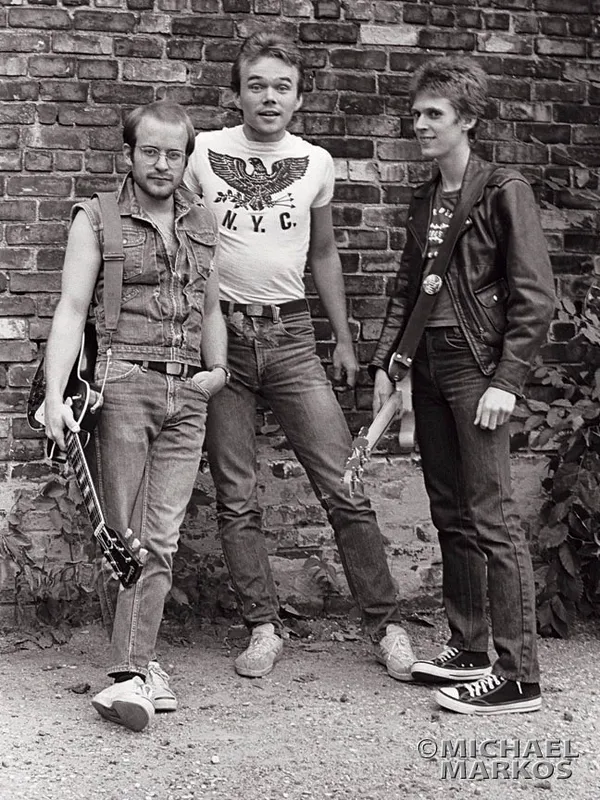
A final booking at a defining Minneapolis stage
The Suicide Commandos, a Minneapolis-area punk rock trio that emerged in the mid-1970s, are set to perform what is being billed as their farewell “blow out” show at First Avenue. The concert is scheduled for Saturday, March 28, 2026, at the venue’s Mainroom, with doors at 6 p.m. and music starting at 7 p.m. The date is a rescheduling of a previously announced First Avenue show planned for December 13, 2025.
Who the Suicide Commandos are
The Suicide Commandos have long been associated with the first wave of Twin Cities punk. Their core identity is as a fast, guitar-forward trio, and their early reputation was built on high-energy performances and a small catalog that became influential locally. Across their history, the group’s best-known releases have included the live album “The Suicide Commandos Commit Suicide Dance Concert,” issued in 1979 on Twin/Tone, a Minneapolis label that later became central to the city’s independent rock story.
While the band’s original era ended decades ago, the Commandos have periodically reunited for performances, maintaining a presence in the Twin Cities’ live circuit and broader local music lore. Their name remains closely linked to the era of venues such as Jay’s Longhorn, a key room for early punk and new wave in Minneapolis.
What is known about the farewell show
The First Avenue event is promoted as the group’s final performance. The bill includes opening support from The Shackletons, a Minneapolis rock band formed by the Campbell brothers: Colin (guitar/vocals), Cameron (bass/backing vocals), and Evan (drums). The show is listed as 18+.
- Venue: First Avenue (Mainroom), Minneapolis
- Date: Saturday, March 28, 2026 (rescheduled from December 13, 2025)
- Doors: 6 p.m.; Showtime: 7 p.m.
- Support: The Shackletons
Why First Avenue matters in this context
First Avenue is among the most historically significant stages in Minnesota popular music, serving for decades as a proving ground for local acts and touring artists alike. For a band identified with the earliest years of Twin Cities punk, a final concert in that room places a symbolic capstone on a career rooted in Minneapolis clubs and independent releases.
The farewell framing, combined with the rescheduled date, underscores the event’s position as a planned conclusion rather than a routine reunion.
Beyond the concert itself, the booking functions as a marker of continuity in Minneapolis music: a 1970s-origin punk act closing its run on a stage that has become inseparable from the city’s modern rock identity.