Multiple Minneapolis-area school districts interrupted by hoax threat, prompting closures, police searches, and heightened security measures
What happened and which schools were affected
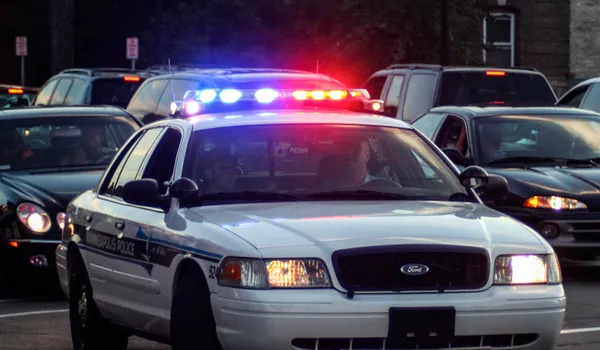
Several Twin Cities school communities faced disruptions after threats circulated online and through direct communications, triggering law-enforcement responses and school safety protocols. In one case on Monday, Feb. 2, 2026, Columbia Heights Public Schools canceled classes districtwide after receiving what officials described as a credible threat, directing students and staff not to report to any buildings while police assessed the situation. Columbia Heights police said an emailed bomb threat was sent to multiple schools; searches did not locate suspicious packages, but officials said there was not enough time to complete a full investigation before the school day began.
Separately, metro-area districts including Anoka-Hennepin and Bloomington reported a threat circulating on social media that officials said matched language seen in an earlier incident outside Minnesota and was determined to be non-credible. Those districts said classes continued, with additional patrols and a request that students and families report concerning posts to school staff or law enforcement.
How authorities evaluate “hoax” threats
School threats are typically assessed through a combination of factors, including the specificity of the claim, whether a target is clearly identified, any corroborating intelligence, and whether the language appears copied from prior mass-messaging threats. Even when a threat is later deemed a hoax, districts commonly coordinate with local police for building sweeps, adjust arrival procedures, and increase on-site security because the immediate priority is preventing harm while information remains incomplete.
Minnesota public-safety officials have previously warned that hoax calls and mass threats can come in waves, forcing rapid, resource-intensive responses across multiple jurisdictions. The state has also standardized reporting pathways for threats and tips, emphasizing that every threat must be treated as serious until resolved.
Operational impact on students, families, and staff
Instructional disruption: Districtwide closures can halt in-person learning for a day and affect transportation, meals, and services for students who rely on school-based supports.
Safety logistics: Even when schools remain open, districts may restrict campus access, increase patrols, and adjust schedules to reduce congestion and improve monitoring.
Community spillover: Hoax threats often spread rapidly via social media, creating confusion about which campuses are affected and increasing pressure on schools to communicate quickly while facts are still being verified.
Schools and law enforcement generally stress that hoax threats still carry serious consequences because they can provoke panic, disrupt services, and divert emergency resources.
What officials are urging the public to do
District and police messaging across incidents has centered on reporting suspicious posts or messages promptly, avoiding resharing unverified screenshots that can amplify misinformation, and following official district communications for updates on closures, building access, and after-school activities. Investigations into the origins of specific threats typically continue after immediate safety checks are completed.