Native activists establish prayer camp near Fort Snelling ICE detention site amid intensified immigration enforcement scrutiny
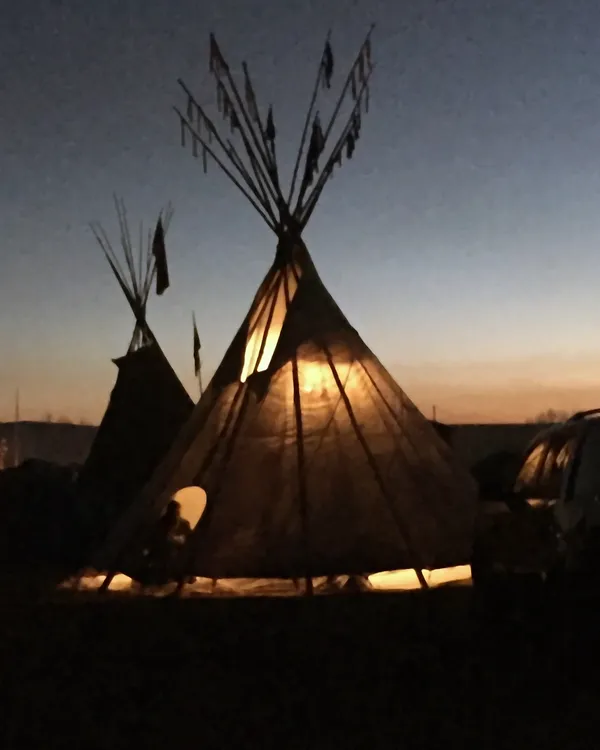
A spiritual protest takes shape outside a central federal immigration site
Native activists have established a prayer camp near the Bishop Henry Whipple Federal Building at Fort Snelling, a major regional hub for U.S. Immigration and Customs Enforcement operations that also includes detention space and an immigration court. The camp is framed by organizers as a continuous spiritual presence—built around prayer, song and ceremony—rather than a time-limited rally.
The camp’s location places it at the center of a widening civic dispute over immigration enforcement in the Twin Cities. Fort Snelling has become a focal point for repeated demonstrations since early January, as federal immigration activity in Minnesota increased and drew heightened public attention.
Why Native leaders say Fort Snelling carries particular weight
For many Indigenous participants, the choice to gather at Fort Snelling is tied to the site’s historical significance and its long-running association with federal authority. Organizers describe the camp as a response to both present-day detention and to the broader experience of Indigenous communities with government institutions.
The camp also comes amid documented cases in which Native people have been detained in immigration actions despite being U.S. citizens and enrolled members of federally recognized tribes. In mid-January, the Oglala Sioux Tribe said three tribal members arrested in Minneapolis were transferred to ICE detention at Fort Snelling, raising concerns about identification, communication with federal authorities and safeguards to prevent wrongful detention.
Conditions inside detention facilities under renewed review
The prayer camp’s emergence coincides with a period of intensified scrutiny of detention conditions at the Whipple building. Members of Minnesota’s congressional delegation have recently sought access to the facilities, describing serious concerns after viewing holding areas, including detainee accounts involving inadequate warmth, sanitation and access to care. Separately, a federal court order has required expanded access for immigration attorneys to visit clients and inspect conditions.
ICE has used the Whipple building as an operational base during the recent enforcement surge. The building was not originally designed for long-term detention, a point repeatedly raised by critics as the number of detainees and length of confinement have been contested in public statements and litigation.
Escalating protests and law enforcement response
Tensions outside the Whipple building have fluctuated in recent weeks, including a February 7 demonstration that resulted in dozens of arrests after authorities declared an unlawful assembly. The protest occurred on the one-month anniversary of the death of Renée Good, who was fatally shot on January 7 during an encounter involving an ICE officer in Minneapolis—an incident that triggered days of protests and continued public debate.
What the prayer camp is asking for
- Clear protections to prevent wrongful detention of Native people and other U.S. citizens during immigration operations
- Transparency on detention practices, including access for attorneys and oversight officials
- Improved conditions and medical care for detainees held at Fort Snelling
The prayer camp’s organizers describe it as a place for ceremony and support for detainees and their families, while continuing to press for policy and accountability changes tied to enforcement practices in Minnesota.