Nick Sortor’s Minneapolis “riot” allegations collide with disputed video as anti-ICE tensions intensify statewide
A media narrative dispute emerges amid heightened federal immigration enforcement
A conservative online journalist, Nick Sortor, has accused mainstream outlets of minimizing or ignoring what he described as “riots” connected to protests against federal immigration enforcement in Minneapolis. His claims have circulated widely online and were also amplified through national cable programming in a segment that aired January 19, 2026.
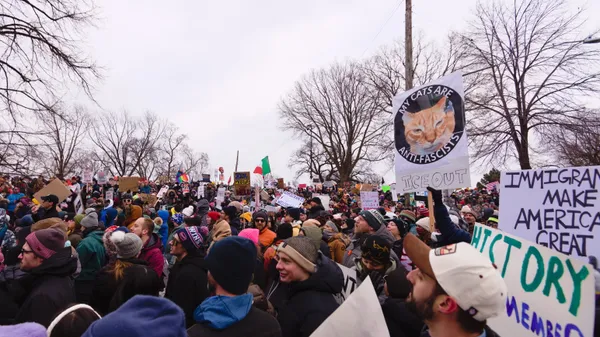
The allegation comes during a period of sustained unrest and intensive federal activity in Minnesota tied to a sweeping immigration initiative frequently described by officials as a surge operation. Demonstrations in Minneapolis and the Twin Cities have repeatedly focused on federal tactics, detention practices and the visible presence of armed agents around federal facilities.
Vehicle confrontation outside a federal building becomes a flash point
Sortor and fellow conservative influencer Cam Higby posted videos and statements describing a confrontation outside the Bishop Henry Whipple Federal Building complex in Minneapolis. In their accounts, protesters surrounded their vehicle, broke windows, spray-painted the car and threw objects as they attempted to leave. Sortor also said he drove forward through a crowd after warning people to move, framing the action as necessary to escape danger.
Other video circulated online from different angles has been presented as contradicting elements of that account, showing the vehicle accelerating toward protesters in front of it. Separately, additional online posts have alleged the confrontation began after an earlier dispute involving a protester and the pair’s filming activity. Minneapolis police actions referenced in online accounts include temporary detention and response to 911 calls; the full scope of any investigation, citations or charges has not been publicly established in a comprehensive, unified record.
Federal crowd-control tactics and court limits shape the backdrop
Protests have also drawn attention to crowd-control measures used by federal agents, including pepper spray and pepper-ball rounds. The controversy intensified after widely circulated footage showed chemical agents being used in encounters with demonstrators, fueling disputes over whether force was deployed against peaceful protesters.
In mid-January, a federal judge issued restrictions on certain federal actions in Minnesota related to protest activity, including limits on retaliatory force and constraints on detaining people engaged in peaceful, unobstructive protest. The order has become a central reference point for both demonstrators and officials as confrontations continue.
Political and civic response continues to broaden
The enforcement surge has generated broader civic fallout beyond street protests. Labor and community groups have organized a statewide “economic blackout” planned for Friday, urging residents to stay home from work and school and to pause shopping as a protest tactic. Public officials in Minneapolis and St. Paul have expressed concerns about the scale and posture of federal operations and the risk of escalation.
Key disputed issue: whether the vehicle incident constituted self-defense or an avoidable escalation.
Key legal issue: how court-ordered limits on federal tactics are applied in real-time protest policing.
Key civic issue: whether intensified enforcement is increasing community instability and economic disruption.
The public record surrounding these incidents remains fragmented, with competing videos and accounts driving sharply different conclusions.
As Minnesota’s immigration enforcement surge continues, the clash over what constitutes a “riot” versus a protest—and how events are portrayed—has become intertwined with questions of public safety, civil rights and accountability across multiple institutions.