‘No Kings’ flagship protest returns national attention to Minneapolis amid immigration enforcement and legal fallout
A national protest network chooses Minnesota as its focal point
Minneapolis and St. Paul moved back to the center of national political attention this weekend as the “No Kings” protest network staged its flagship rally at the Minnesota State Capitol in St. Paul on Saturday, March 28, 2026. The gathering was part of a coordinated third wave of demonstrations held across the United States, with additional events reported in Europe.
Organizers framed the day as an expansion of earlier rounds of “No Kings” protests held in 2025. For Minnesota, the selection of the Twin Cities as the flagship location reflected a convergence of unresolved questions about federal immigration enforcement tactics, ongoing legal disputes between state and federal authorities, and the deaths of two residents in separate encounters involving federal officers earlier this year.
How federal immigration enforcement became the backdrop
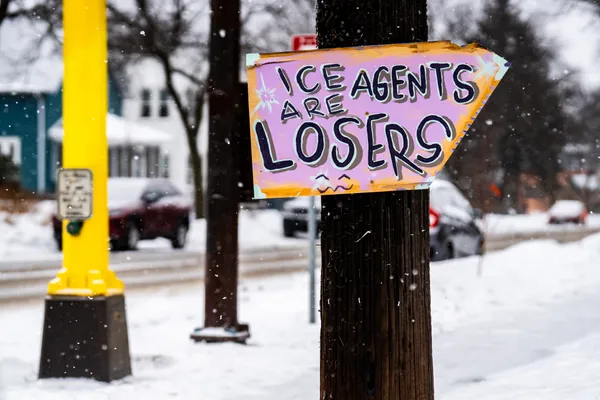
Minnesota’s prominent role is tied to the aftermath of “Operation Metro Surge,” a federal immigration enforcement effort that began in late 2025 and escalated in early 2026. The operation drew sustained public demonstrations and prompted state and city leaders to pursue legal action challenging aspects of the deployment and seeking judicial oversight.
In recent days, Minnesota also initiated litigation seeking access to evidence related to three shootings involving federal officers, including the fatal shootings of Renée Good and Alex Pretti, and another case in which a man was wounded. The legal filings are part of a wider push by state officials to conduct independent review of incidents that have become central to local and national debate over accountability, use of force, and transparency.
Music and messaging at the Capitol rally
The flagship event featured a high-profile performance by Bruce Springsteen, who has publicly linked his recent song “Streets of Minneapolis” to the deaths of Good and Pretti. His appearance elevated the rally’s national visibility and reinforced the way cultural figures have been drawn into a political moment shaped by street-level encounters and subsequent investigations.
Across the broader protest network, the themes extended beyond immigration enforcement to include criticism of executive power and opposition to U.S. policy related to the war in Iran. The combination of domestic enforcement issues and international conflict contributed to a wide-ranging agenda that varied by city while sharing a common organizing label.
Scale, safety, and what comes next
Organizers registered thousands of events nationwide for March 28, 2026, and projected participation in the millions. Reports from multiple locations described large crowds and mostly peaceful demonstrations, though some arrests were reported in certain cities.
The Minnesota flagship rally centered on the State Capitol lawn, with scheduled kickoff marches converging on the main stage.
Organizers emphasized nonviolence and prohibited weapons at events, reflecting heightened attention to crowd safety and de-escalation.
Parallel legal and political developments in Minnesota—particularly litigation over evidence access and oversight—continue to shape the state’s role in national organizing.
The Minnesota flagship rally unfolded against an active legal dispute over access to evidence and the scope of independent investigations into federal officer shootings.
With court battles ongoing and scrutiny of federal enforcement tactics intensifying, the weekend’s demonstrations underscored how Minneapolis and St. Paul remain a focal point in a broader national argument about immigration enforcement, civil liberties, and government accountability.