North Minneapolis pastor redefines ministry amid intensified federal immigration enforcement and growing tension across the Twin Cities
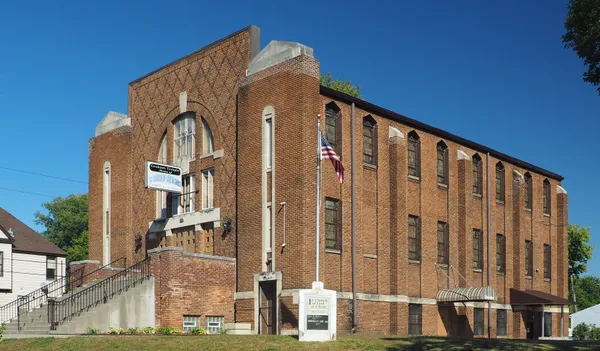
A pastor’s work shifts as enforcement activity reshapes daily life
A North Minneapolis pastor has begun reframing his ministry around direct community support and public presence as federal immigration enforcement activity intensifies across Minneapolis and St. Paul. The change comes amid a series of high-profile encounters involving Immigration and Customs Enforcement (ICE), including street-level detentions, protests, and legal disputes over tactics used during operations.
The pastor, Kenny Callaghan of All God’s Children MCC, said he was detained for less than an hour on the morning of January 7, 2026, after walking toward a protest near his church. In a televised interview, Callaghan described approaching a scene on Portland Avenue after hearing whistles and car horns, then trying to redirect officers’ attention toward himself as agents surrounded a woman he described as “brown-skinned.” He said agents handcuffed him, held him in an SUV, repeatedly asked whether he was afraid, and later released him.
Context: a fatal shooting and an escalating protest environment
Callaghan’s account unfolded on the same date as a fatal encounter that has driven sustained protests and sharpened scrutiny of federal enforcement in the Twin Cities. On January 7, 2026, Renée Good, 37, was shot and killed in Minneapolis during an ICE operation. Her death became a focal point for protests and calls for accountability.
In the days that followed, faith communities also became part of the public conflict. On January 19, 2026, federal officials announced an investigation into a church disruption in St. Paul in which protesters entered a service and chanted slogans referencing ICE and Renée Good. The protest targeted a pastor listed by the church who was also described in court filings as an acting leader within the local ICE field office. The episode intensified debate over how activism, worship spaces, and public demonstrations intersect during a volatile enforcement period.
How ministry changes in a climate of fear and confrontation
Within North Minneapolis, Callaghan has described his role less as traditional pulpit-centered work and more as visible accompaniment: monitoring situations near the church, assisting congregants and neighbors who fear encounters with federal agents, and addressing safety concerns raised by community members. The shift reflects a broader reality for many congregations, as immigration enforcement activity becomes a daily consideration in where people travel, gather, and seek help.
- Pastoral care expanding beyond worship services into rapid-response support during nearby incidents
- Increased attention to congregants’ legal and safety planning needs
- Coordination with community networks responding to detentions and demonstrations
“I will always stand up for people who are being mistreated for simply being human,” Callaghan said in a recorded interview describing his January 7 detention.
Federal authorities have defended enforcement activity as lawful and necessary, while civil rights advocates and protesters argue that tactics used in the Twin Cities have produced fear and harm. The ongoing investigations, court filings, and public demonstrations suggest the conflict will continue to shape civic life—and the day-to-day work of local clergy—well beyond January.