Northeast Minneapolis pedestrian death prompts police investigation into driver actions, road conditions and possible impairment
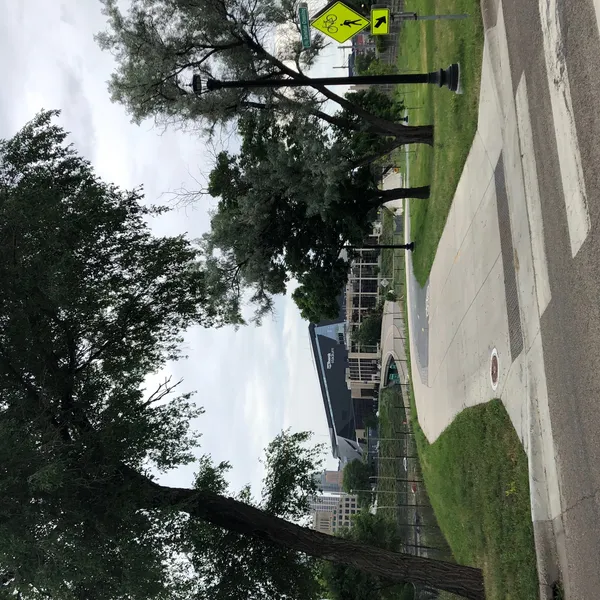
Fatal crash in Northeast Minneapolis
A woman was struck and killed while crossing a street in Northeast Minneapolis, and police are investigating the circumstances of the collision. Authorities have not released the victim’s identity pending notification of family, and details about the driver and vehicle involved have not been publicly confirmed.
Investigators typically work to establish the sequence of events leading up to a fatal pedestrian crash, including the vehicle’s direction of travel, the pedestrian’s path across the roadway, lighting and visibility at the time, and whether the pedestrian was in a marked crosswalk or crossing mid-block. Police also routinely examine speed, driver attentiveness, and whether impairment may have been a factor. Any determination about criminal charges generally depends on evidence gathered at the scene, witness statements, and results of forensic and toxicology testing.
What investigators usually examine after a pedestrian fatality
In Minneapolis, fatal and serious-injury traffic crashes often involve multiple lines of inquiry that can take days or weeks to complete. In pedestrian cases, investigators commonly document road geometry and traffic controls, measure distances and sightlines, review surveillance or traffic camera video when available, and look for physical evidence such as skid marks, vehicle damage, and debris fields.
- Driver behavior: possible distraction, failure to yield, or unsafe speed for conditions.
- Impairment indicators: standardized field observations and, when legally authorized, chemical testing.
- Roadway environment: lighting, signage, lane configuration, and whether construction or detours altered typical traffic patterns.
- Pedestrian context: crossing location, clothing visibility, and whether other vehicles or parked cars created obstructions.
Why Northeast corridors can be complex for pedestrian safety
Many Northeast Minneapolis arterials carry higher traffic volumes while also serving dense residential blocks, transit stops, and neighborhood commercial nodes. That combination can increase pedestrian exposure, particularly on multi-lane segments where turning movements and longer crossing distances raise the risk of conflicts.
In addition, corridor reconstruction projects can change how people cross streets, where drivers expect pedestrians, and how traffic flows. Lowry Avenue NE, a key east–west route in Northeast Minneapolis, has ongoing and planned reconstruction work in 2026 that includes new crossing treatments and medians intended to improve safety. When major corridors are under construction, even short-term changes—shifted lanes, altered parking, temporary signage—can affect visibility and driver decision-making.
Public information and next steps
Police are expected to release additional details once the preliminary investigation is complete, including the location of the crash, the time it occurred, and whether the driver remained at the scene. A final cause-and-manner determination typically incorporates the medical examiner’s findings, crash reconstruction conclusions, and any available video or witness accounts.
Anyone who witnessed the crash or has relevant video may be asked to share information with investigators as the case develops.
The investigation remains active. No further verified details about potential charges, impairment findings, or contributing roadway factors have been confirmed publicly.