Pentagon ends standby orders for potential Minneapolis deployment as immigration crackdown protests and tensions continue
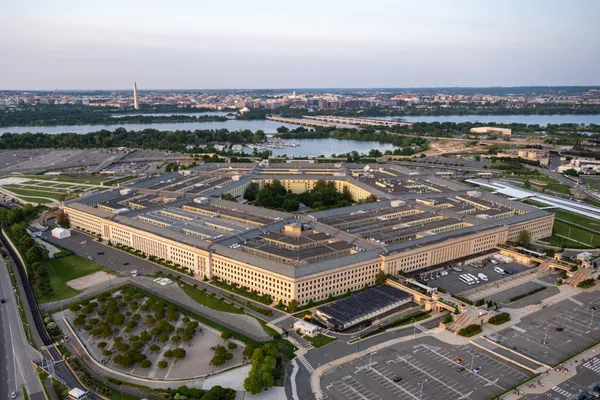
Standby orders rescinded after weeks of heightened domestic readiness planning
The U.S. military has stood down forces that had been directed to prepare for a possible deployment to Minneapolis, reversing a contingency posture put in place amid unrest tied to federal immigration enforcement operations in Minnesota.
The earlier orders involved two separate readiness moves. Around mid-January, about 1,500 active-duty soldiers from two infantry battalions of the Army’s 11th Airborne Division—based in Alaska—were placed on prepare-to-deploy status for a potential mission to Minnesota. Days later, additional active-duty military police from an Army brigade based at Fort Bragg, North Carolina, received similar preparation orders for a possible Minneapolis deployment. In both cases, the planning was described as a contingency option rather than a confirmed mission.
The shift to “stand down” status means troops who had been preparing to move are no longer under those pre-deployment instructions. No active-duty deployment to Minneapolis was announced as having occurred under the earlier orders.
Context: protests, federal enforcement surge, and legal authorities
The readiness planning unfolded as Minneapolis experienced protests and confrontations surrounding a large-scale federal immigration enforcement surge launched in early January 2026. The period included public scrutiny after two U.S. citizens—Renee Good and Alex Pretti—were fatally shot during encounters involving federal agents, events that contributed to intensified political and community reaction across the Twin Cities.
Federal officials also publicly referenced extraordinary authorities that could apply to domestic unrest. The Insurrection Act—an infrequently used law that can permit the use of active-duty troops for law-enforcement functions under certain circumstances—was repeatedly raised in public statements during the period of protests. Military readiness actions were framed as aligning the Department of Defense to execute lawful orders if directed.
Parallel drawdown of federal personnel, but continued elevated presence
The military stand-down comes as federal authorities have begun reducing other parts of the expanded federal footprint in Minnesota. On Feb. 4, 2026, the White House border czar, Tom Homan, announced that 700 federal immigration officers would be withdrawn from Minnesota. Even after that reduction, roughly 2,000 federal personnel were expected to remain—far above typical staffing levels—while the broader enforcement effort continued.
What remains unresolved
- Investigations and accountability processes related to the fatal shootings remain a central focus for state and local officials.
- Disputes over cooperation between local detention facilities and federal immigration enforcement continue to shape operational decisions.
- Public demonstrations and security planning remain fluid, even as the military posture has been eased.
The stand-down ends the immediate requirement for certain units to prepare for deployment, but it does not by itself resolve the underlying political and operational conflict driving the unrest.