Pro- and anti-ICE protests persist in Minneapolis amid federal immigration crackdown and escalating legal challenges
Street demonstrations continue as enforcement surge reshapes daily life
Protests both supporting and opposing U.S. Immigration and Customs Enforcement have continued in Minneapolis in recent days, extending a wave of daily demonstrations that began after a major federal enforcement surge in the Twin Cities earlier this month.
The current tensions trace back to the fatal shooting of Renée Good, a 37-year-old U.S. citizen, during a federal immigration operation on January 7, 2026. Video of the encounter circulated widely and became a rallying point for demonstrators who have demanded limits on federal tactics and greater accountability. Federal officials have described the shooting as self-defense, while local officials have publicly disputed that characterization and urged residents to protest peacefully.
Clashing rallies outside City Hall
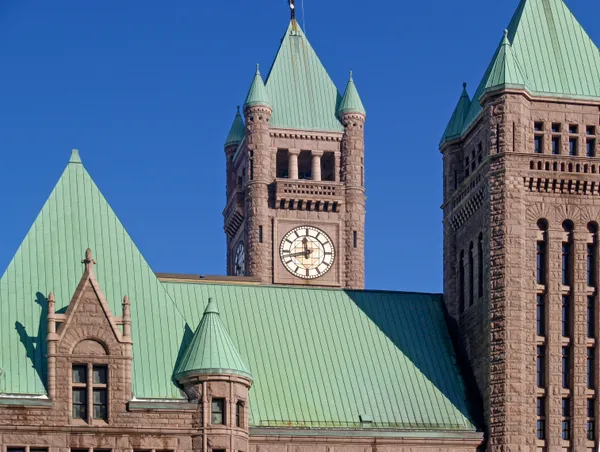
Over the weekend, a small pro-ICE gathering near Minneapolis City Hall drew a substantially larger counterdemonstration. Police responded with a visible presence as the groups converged, and the pro-ICE group departed after being shouted down. The confrontation underscored the degree to which the immigration operation has become a flashpoint not only between protesters and federal agencies, but also among competing political constituencies in the city.
Court order restricts federal crowd-control and arrests of peaceful demonstrators
A federal judge in Minneapolis issued an order on January 16 limiting the ability of federal officers participating in the operation to arrest individuals engaged in peaceful protest activity. The order prohibits detention or arrest absent suspicion of criminal conduct or obstruction, and it also restricts certain crowd-control measures against demonstrators. The ruling followed claims by local residents that federal officers used retaliatory tactics while they were observing or protesting enforcement actions.
The decision arrives alongside broader litigation challenging the federal deployment and enforcement posture. Minnesota and the cities of Minneapolis and St. Paul have sought judicial intervention to curb what they describe as unlawful stops and arrests. Separate civil rights claims have also been filed alleging unconstitutional enforcement practices during the surge.
Local and federal officials trade warnings as troop planning emerges
The confrontation has unfolded amid signals of potential additional federal involvement. Reports over the past several days have described preparations to place active-duty troops on alert for a possible Minnesota deployment, while state leaders have said they do not want federal troops sent to the Twin Cities. Minnesota officials have also taken steps to ready state resources to support public safety, while emphasizing the protection of lawful assembly.
What to watch next
- Further court hearings that could expand, narrow, or extend restrictions on federal enforcement and crowd-control tactics.
- Whether federal agencies modify operational practices in response to judicial orders and local litigation.
- The scale and frequency of both pro-ICE and anti-ICE demonstrations as the operation continues.
Minneapolis remains the focal point of a fast-moving conflict over immigration enforcement, protest rights, and the limits of federal authority in local communities.