Somali-owned businesses at Minneapolis’ Karmel Mall report sharp downturn as federal immigration enforcement intensifies
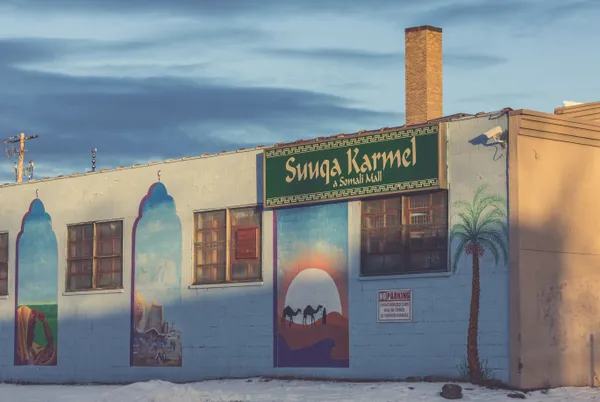
Quiet corridors and shrinking sales at a longtime commercial hub
Somali-owned businesses in south Minneapolis are reporting a steep drop in customers and revenue amid an expanded federal immigration enforcement presence in the Twin Cities. At Karmel Mall, a large complex with more than 100 small businesses ranging from restaurants and bakeries to clothing, electronics, travel services, insurance and accounting, merchants describe hallways that are noticeably quieter than normal for midwinter and storefronts that are intermittently closed.
Business owners and workers say the slowdown is being driven less by ordinary seasonal patterns and more by fear—among customers, employees, and families—about encountering federal immigration agents. Merchants report that some people are limiting trips outside their homes, avoiding commercial areas, or postponing routine errands.
Travel cancellations and workforce disruptions ripple through local commerce
Service-sector businesses that depend on mobility—such as travel agencies—say their clients are canceling plans or delaying travel because of uncertainty about screening, stops, or difficulties reentering the country. Some operators report that even U.S. citizens within the East African community have become reluctant to travel, reflecting concerns that routine interactions could escalate into questioning or detention.
Retailers and food vendors also describe workforce challenges. Some employees are not coming to work, business owners say, and in response, several shops have reduced hours or chosen not to open on days when foot traffic is expected to be minimal. One electronics seller said the decline since the enforcement escalation began has been significant enough that meeting monthly rent requires pooling funds, and that carrying identification documents has become a daily precaution.
- Reduced foot traffic has led to shortened business hours and intermittent closures.
- Travel-related businesses report cancellations tied to fear of enforcement encounters.
- Some merchants cite difficulty staffing stores as workers stay home.
City leaders call for withdrawal of federal immigration enforcement
Minneapolis officials have publicly argued that the presence of federal immigration enforcement is destabilizing public safety. Following a Jan. 7, 2026, shooting involving a federal agent near 34th Street and Portland Avenue, Mayor Jacob Frey called for immigration agents to leave the city and state, warning that the situation was creating chaos and increasing risk.
The broader crackdown—described by federal authorities as part of “Operation Metro Surge”—has also been accompanied by public protests and scrutiny of enforcement tactics, including the use of pepper spray during demonstrations and disputes over how agents conduct stops.
At Karmel Mall, merchants say the economic damage is immediate: fewer customers, fewer workers, and less certainty about when normal activity will return.
What comes next for neighborhood business corridors
For small businesses operating on thin margins, sustained declines in daily sales can quickly translate into missed rent payments, reduced payroll, and the loss of inventory. Merchants at Karmel Mall describe the mall not only as a retail destination but as a social and cultural gathering place; as traffic falls, the economic impacts extend to community life that typically revolves around shared meals, family shopping trips, and routine services.
In the near term, business owners say stability depends on whether customers feel safe returning to routine commerce and whether enforcement activity continues at its current scale.